

 #6A4D3E · brown · warm undertone
 Owens Corning Oakridge Teak Shingles
Earth-tone shingle that anchors traditional and craftsman elevations.
Independent product summary. Warranty terms and installed price vary by contractor and region.
The numbers, plainly.
Every figure a contractor or an insurer will ask about, with the standard it is measured against.
What you're looking at.
The granule tones the blend is built from, how the colour is classified, and how it behaves on a roof.
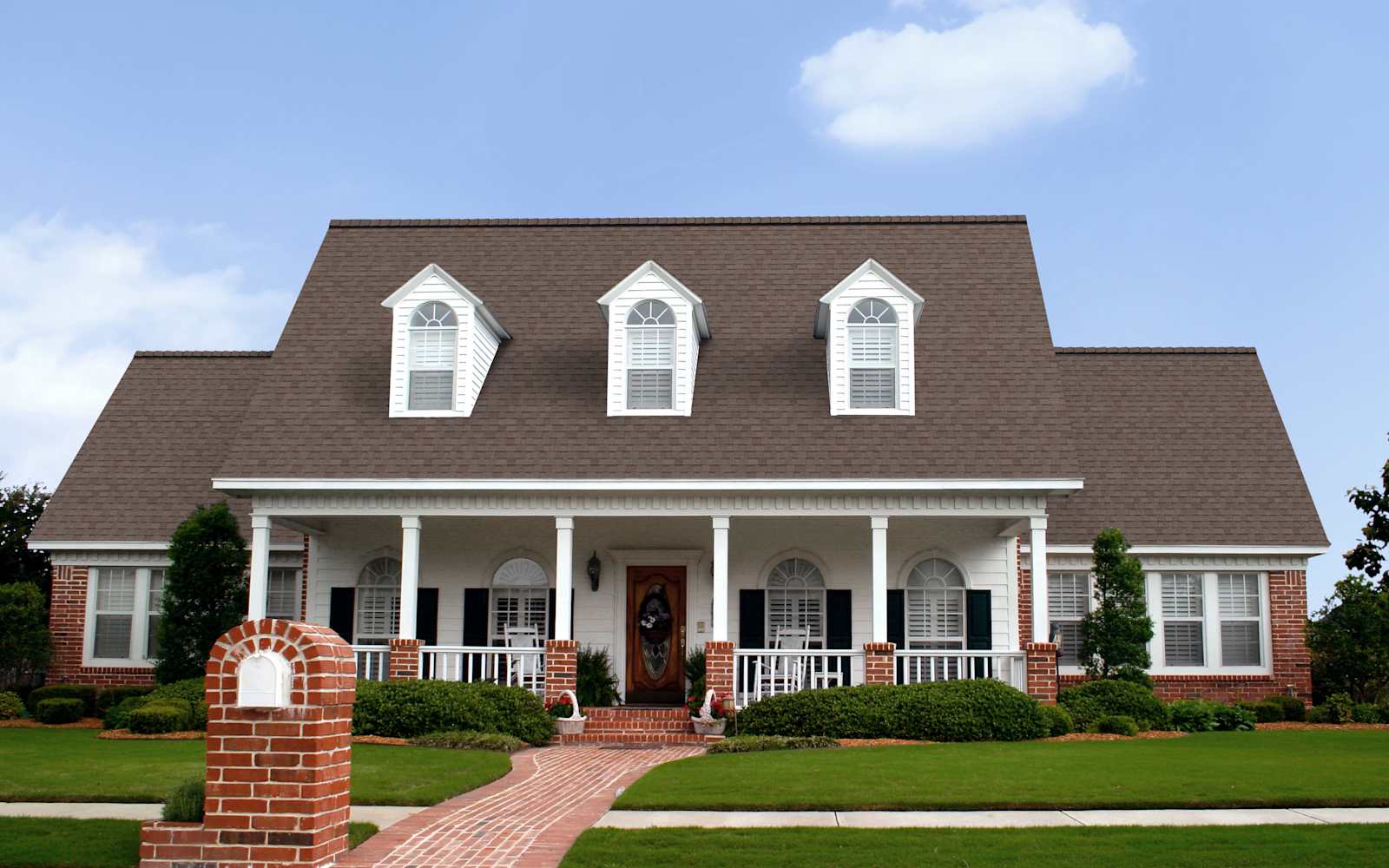
Teak reads as a warm sienna in midday sun and a deep coffee at dusk. It is one of the more tonally responsive SKUs in the line and rewards homeowners who care about how a roof shifts color across the day.
The granule blend layers tobacco, amber, and dark walnut granules in a tight rotation. Up close you can see the layering; from the street it reads as one warm color with subtle texture.
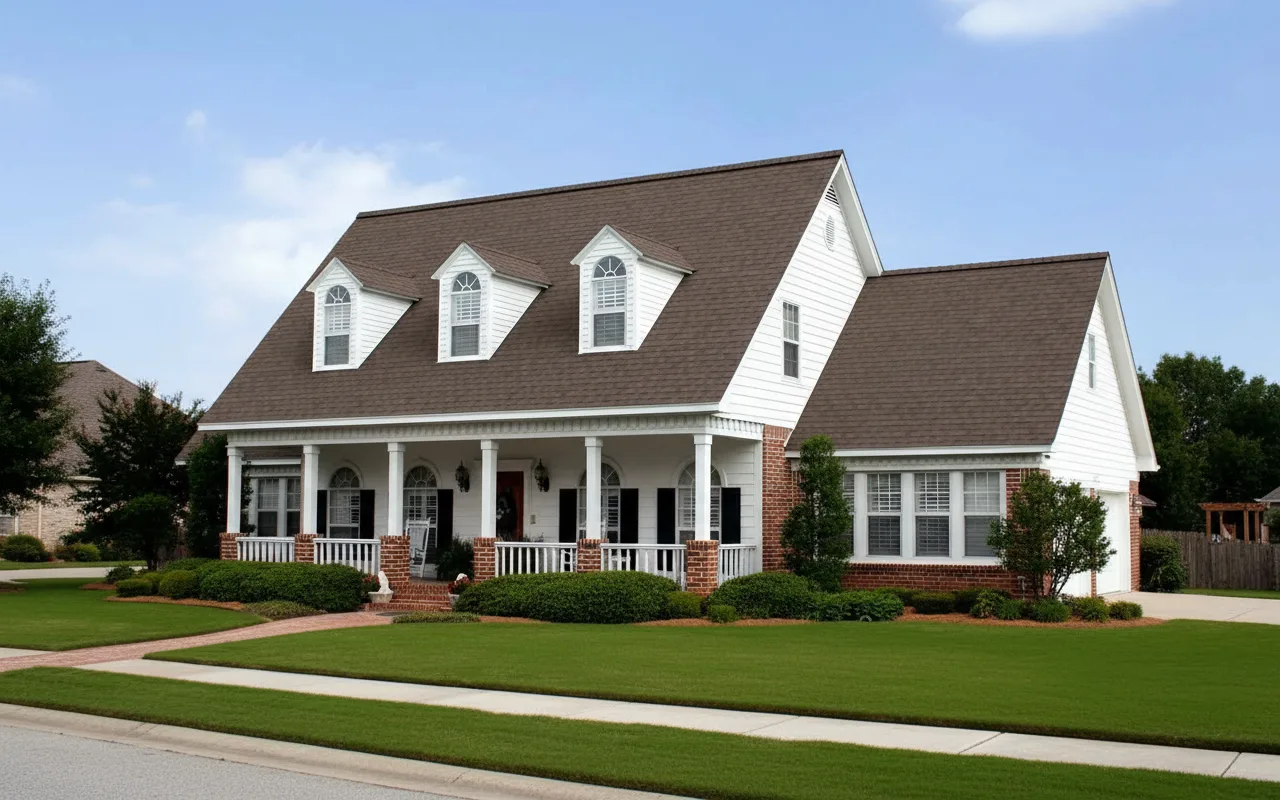
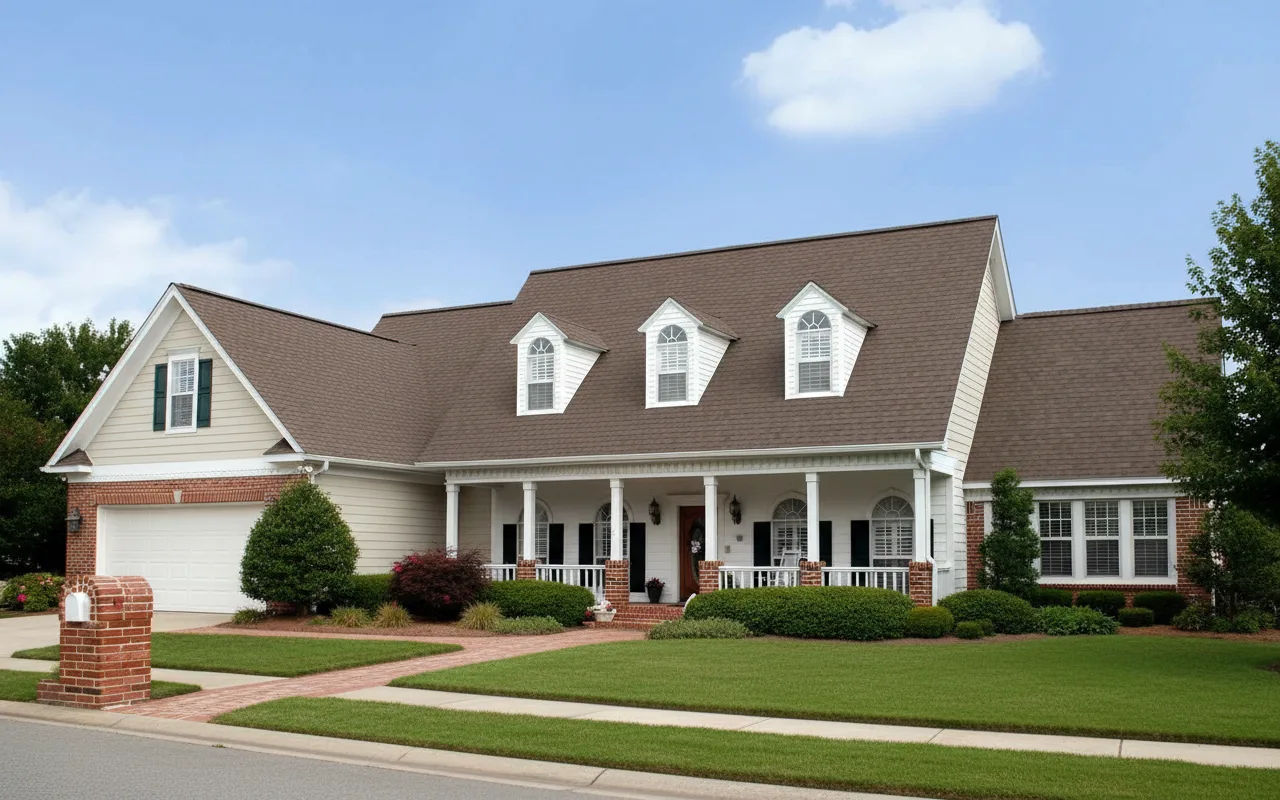
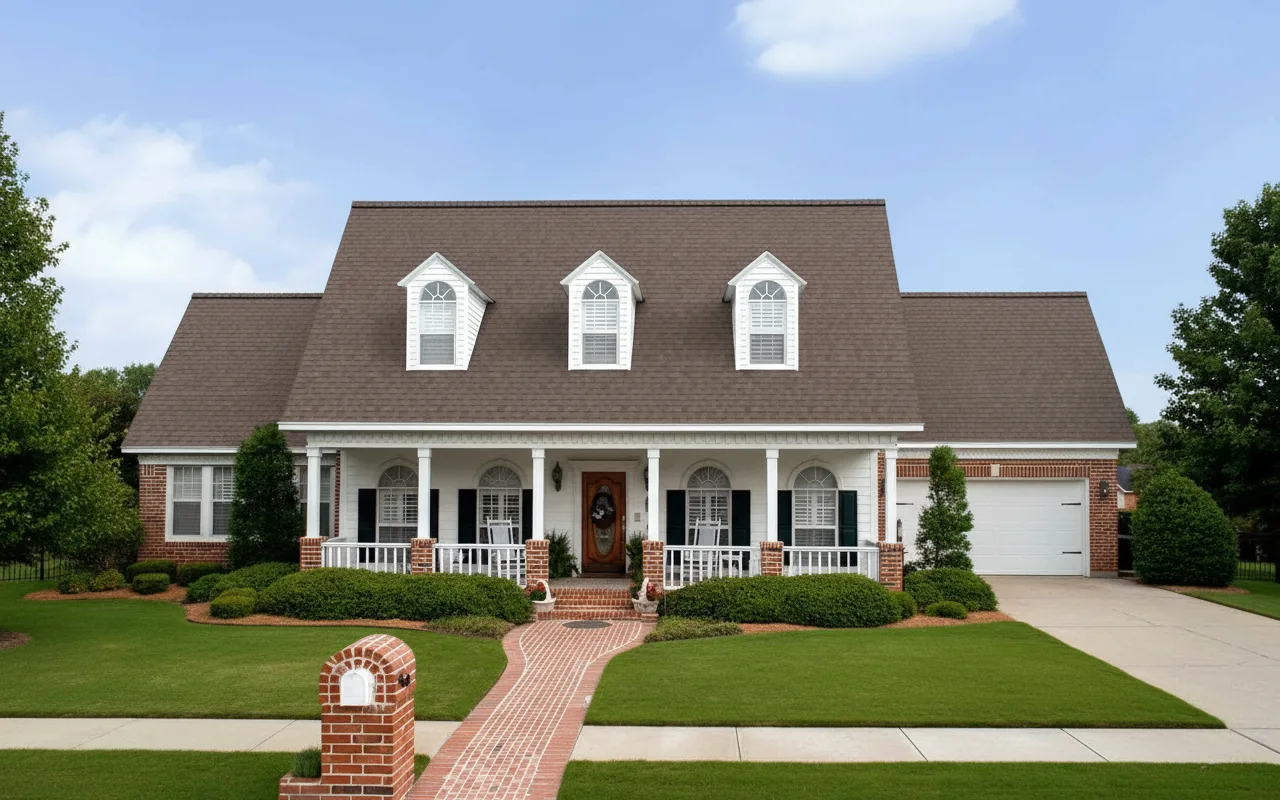
Works well with red brick, warm-wood accents, stone, and earth-tone paint. Tends to disagree with very cool siding colors (icy white, light blue, charcoal) where the warm undertone reads as out of place.
See it on a house.
Oakridge Teak, shown two ways: photographs from manufacturers and Florida roofers, and renders that keep the roof color from an install photo and restyle the facade around it. Every image below says which it is.
Teak pairs well with.
Click a swatch to see this exact pairing rendered on a real Florida home.
Other brown shingles, side by side.
Cross-brand similarity computed by redmean RGB distance. Lower distance equals closer perceived match.
What it actually costs.
Materials-per-square pulled from retailer scrape (Lowe's/Home Depot Florida zips).
Home Depot / Lowe's retail snapshot, three bundles per square.
Materials only. Underlayment, starter strip, and ridge cap not included.
Full re-roof including tear-off, decking inspection, install, and disposal. Range varies by pitch, square count, and accessibility.
What this shingle costs installed in Florida: Asphalt shingle roof cost Florida
Price this roof for your addressStop guessing. See Teak on your roof.
Upload a phone photo of your house and watch our AI swap your existing roof for Owens Corning Oakridge Teak in about four seconds. Save the render, share with your contractor, change your mind ten times. Free.
About Teak.
Questions homeowners ask before they commit. Answered without sales spin.
A warm, anchored brown with visible reddish or amber granule accents. In direct Florida sun it reads as a clear sienna or coffee; in shade it softens to a near-black. The blend is layered enough that the surface looks alive rather than flat.
See Teak on your house before you commit to it.
Before you pick a color, check the roof you have.
For example: 24500 SW Kanner Hwy, Stuart FL