Upgradable to 130 mph with full Preferred Protection System. ASTM D7158 Class H.
Hail / impact
Not rated
UL 2218 impact rating not claimed on the manufacturer warranty card.
Fire rating
Class A
ASTM E108 / UL 790
Weight per square
230 lbs
Standard architectural asphalt
Algae resistance
StreakGuard
10-year algae warranty
Manufacturer
Owens Corning
Toledo, OH · made in the USA
Exposure
5 5/8"
Manufacturer-specified shingle exposure per course
What you're looking at.
The granule tones the blend is built from, how the colour is classified, and how it behaves on a roof.
Granule 01Base tone#6C4A3C
Granule 02Deeper granule#523730
Granule 03Lighter granule#88634E
Hex
#6C4A3C
Family
Brown
Undertone
Warm
Best in
Late afternoon light
How it shifts
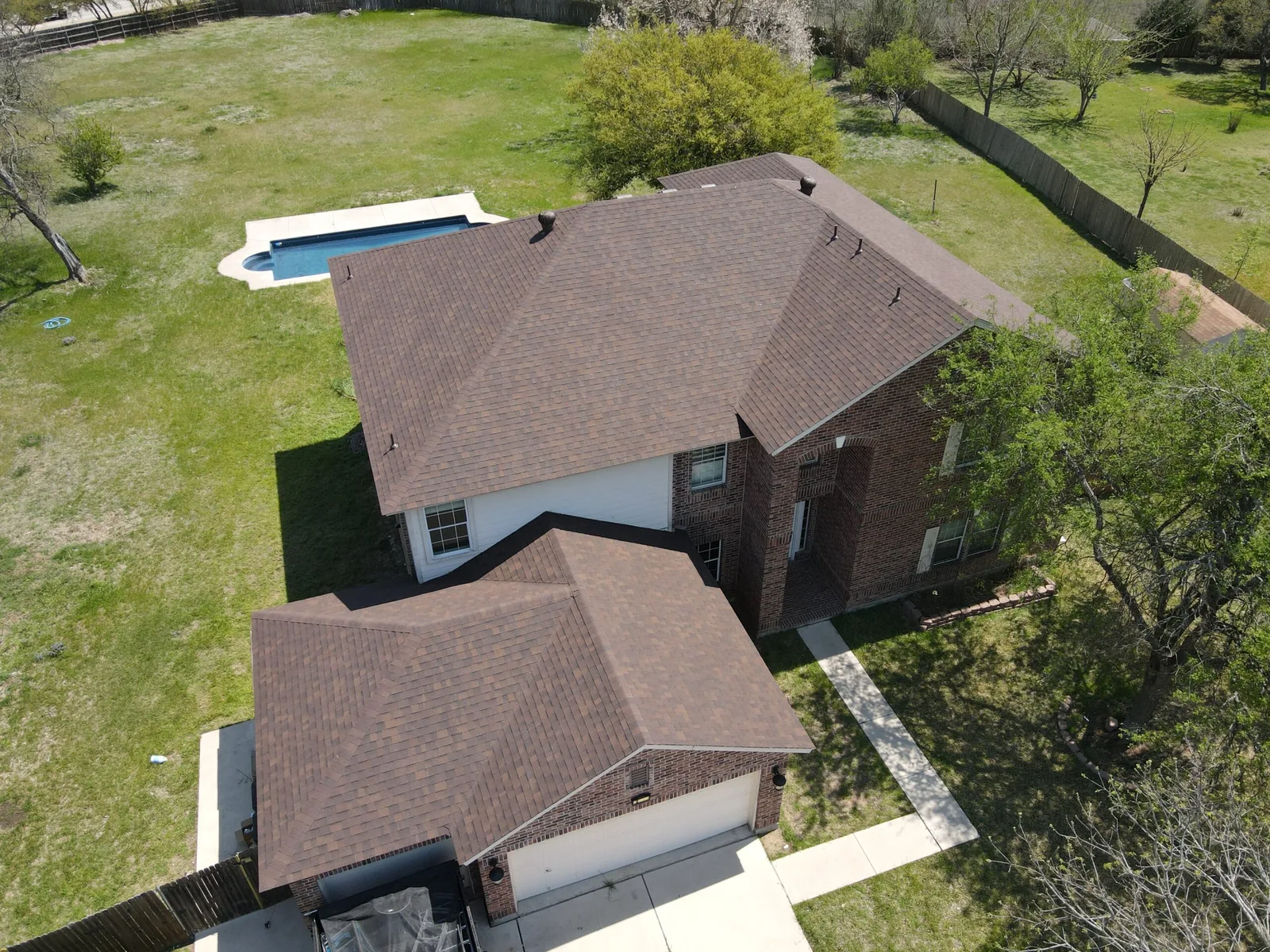
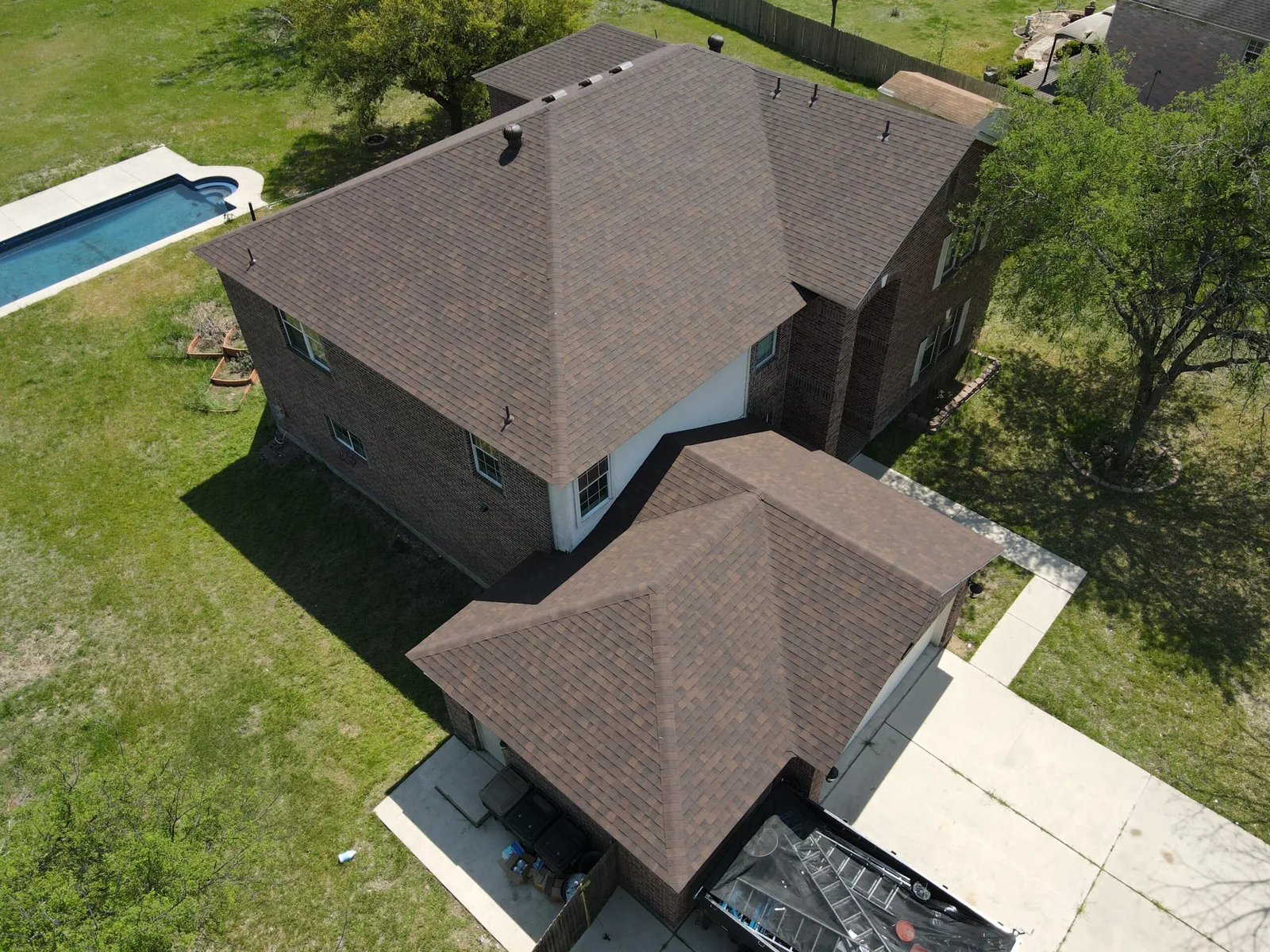
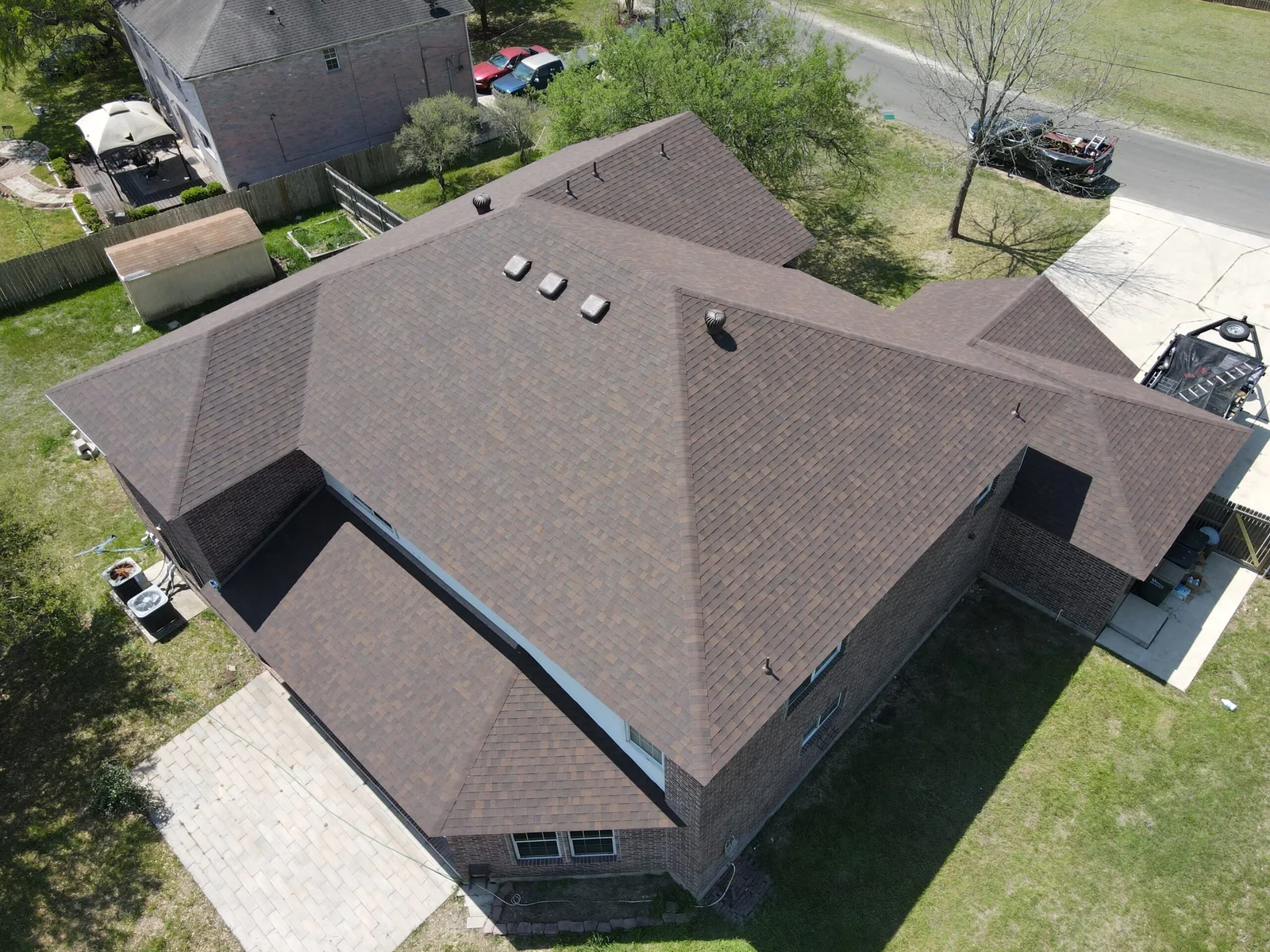
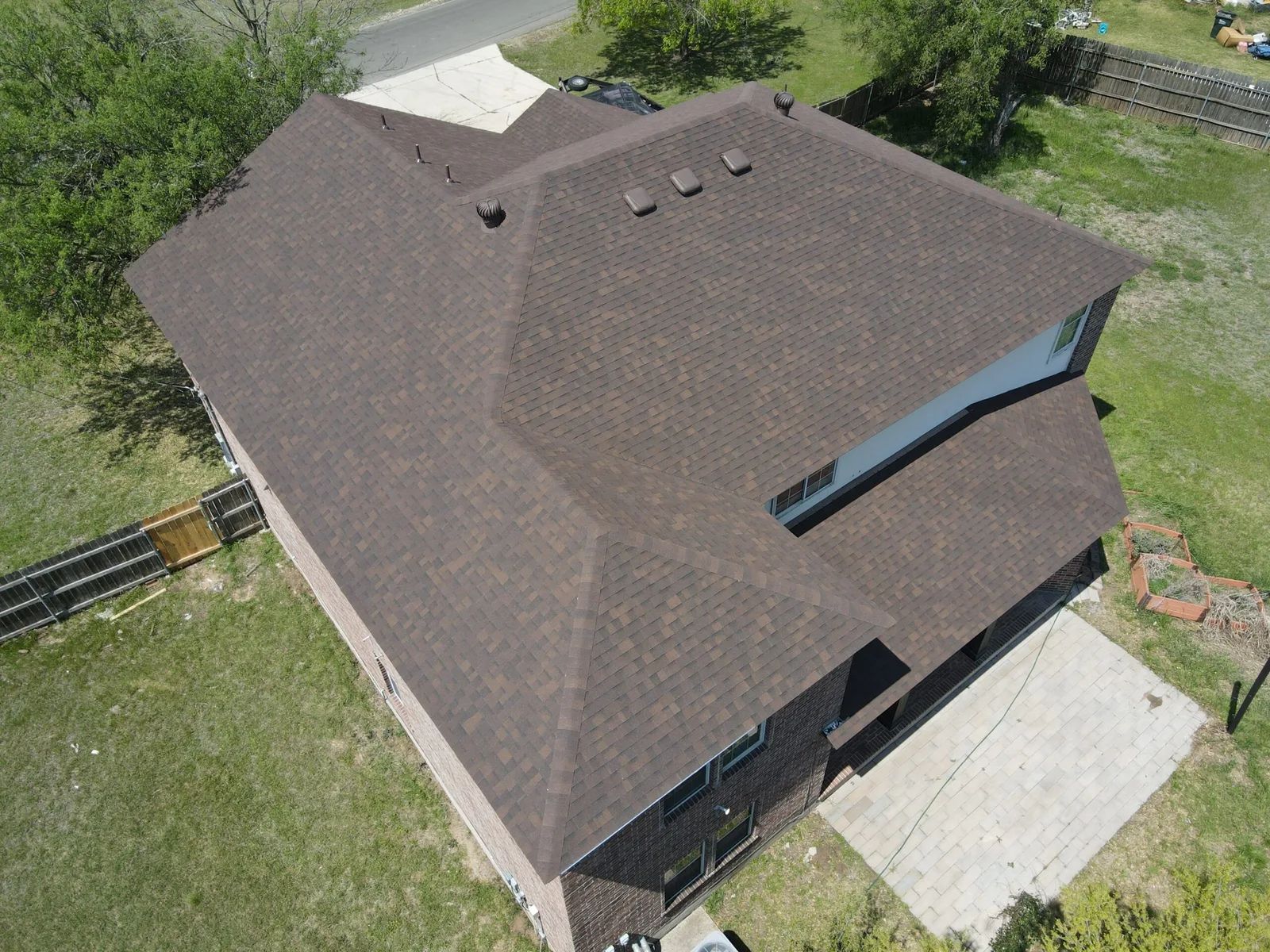
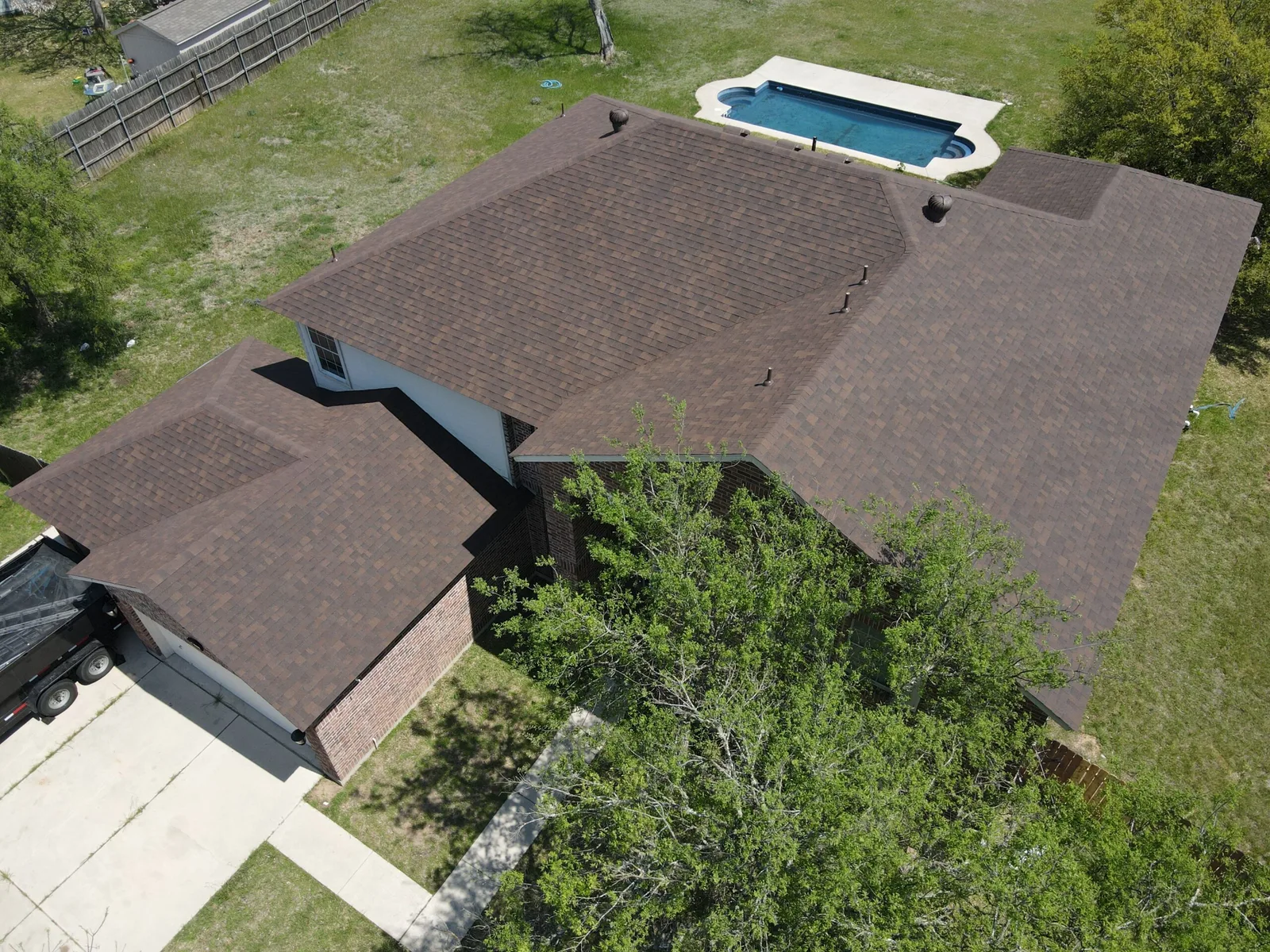
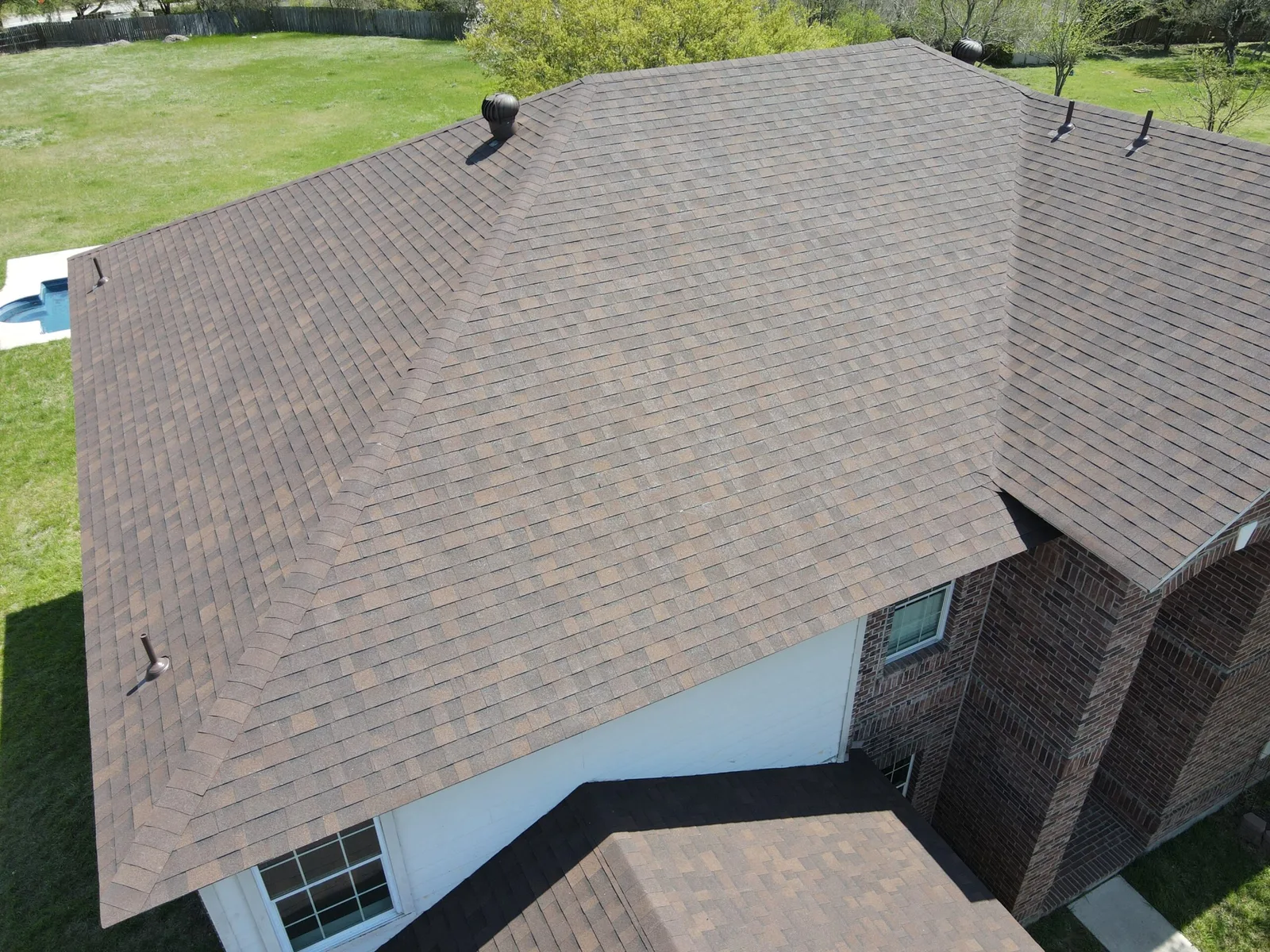
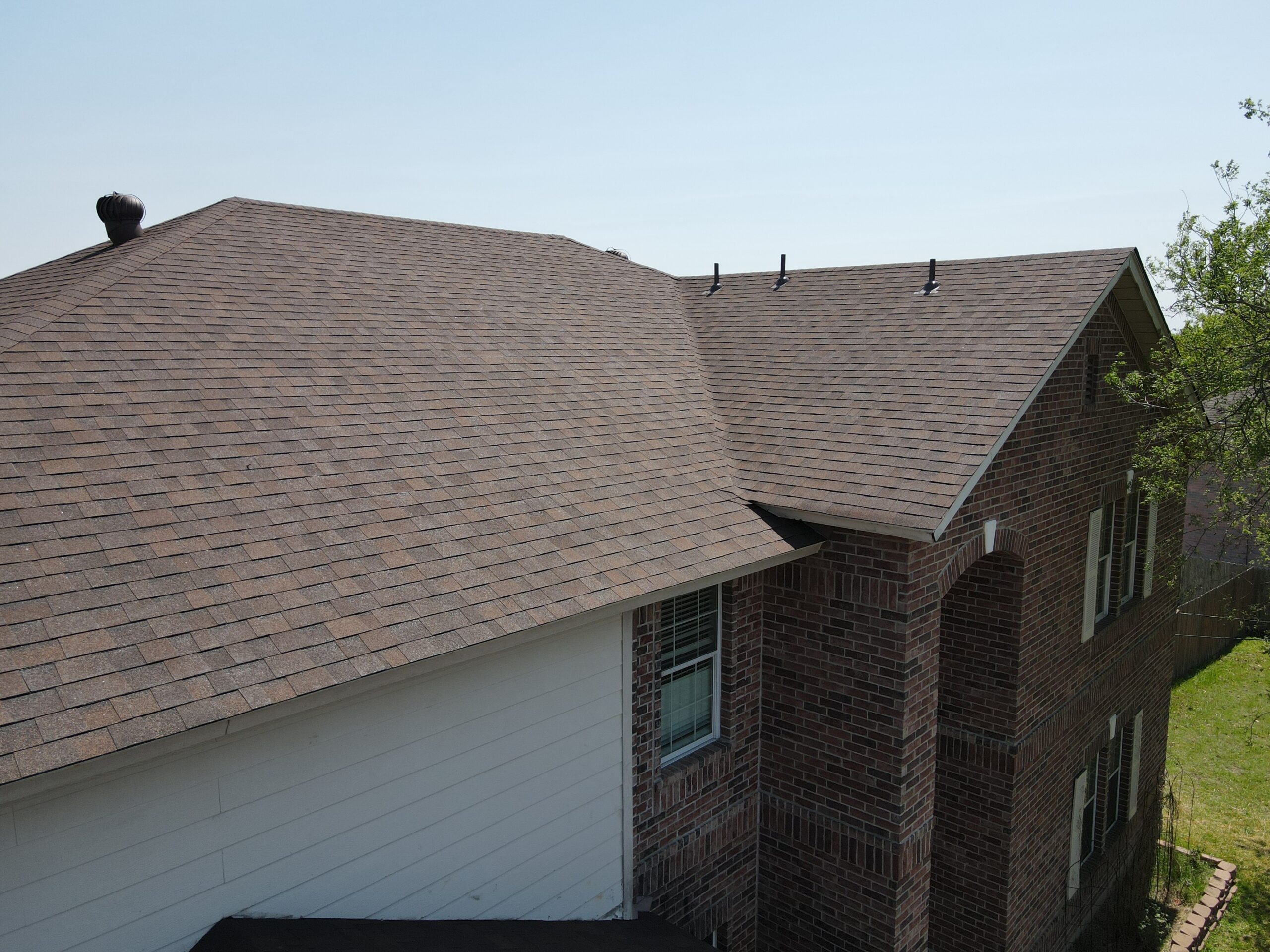
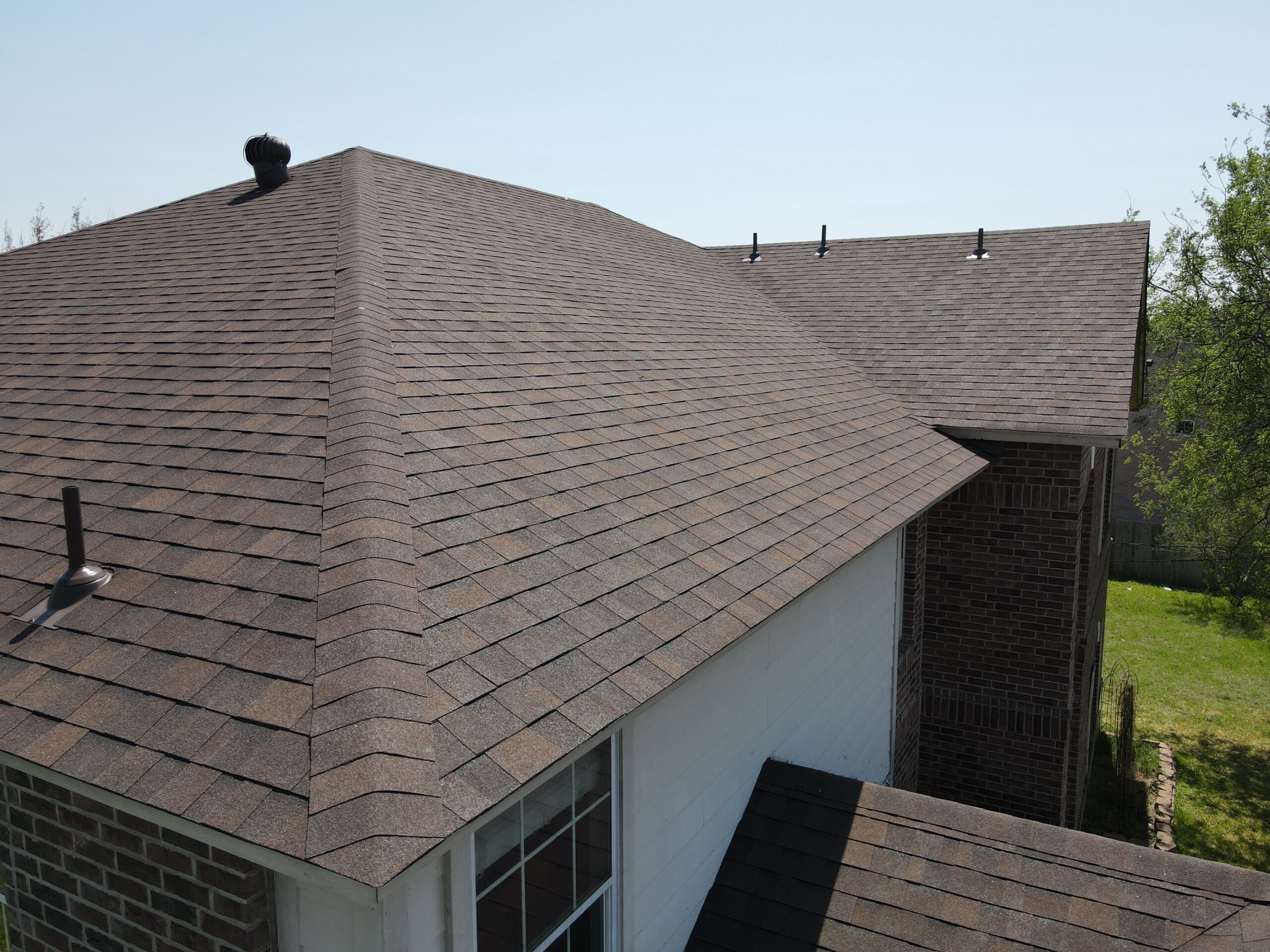
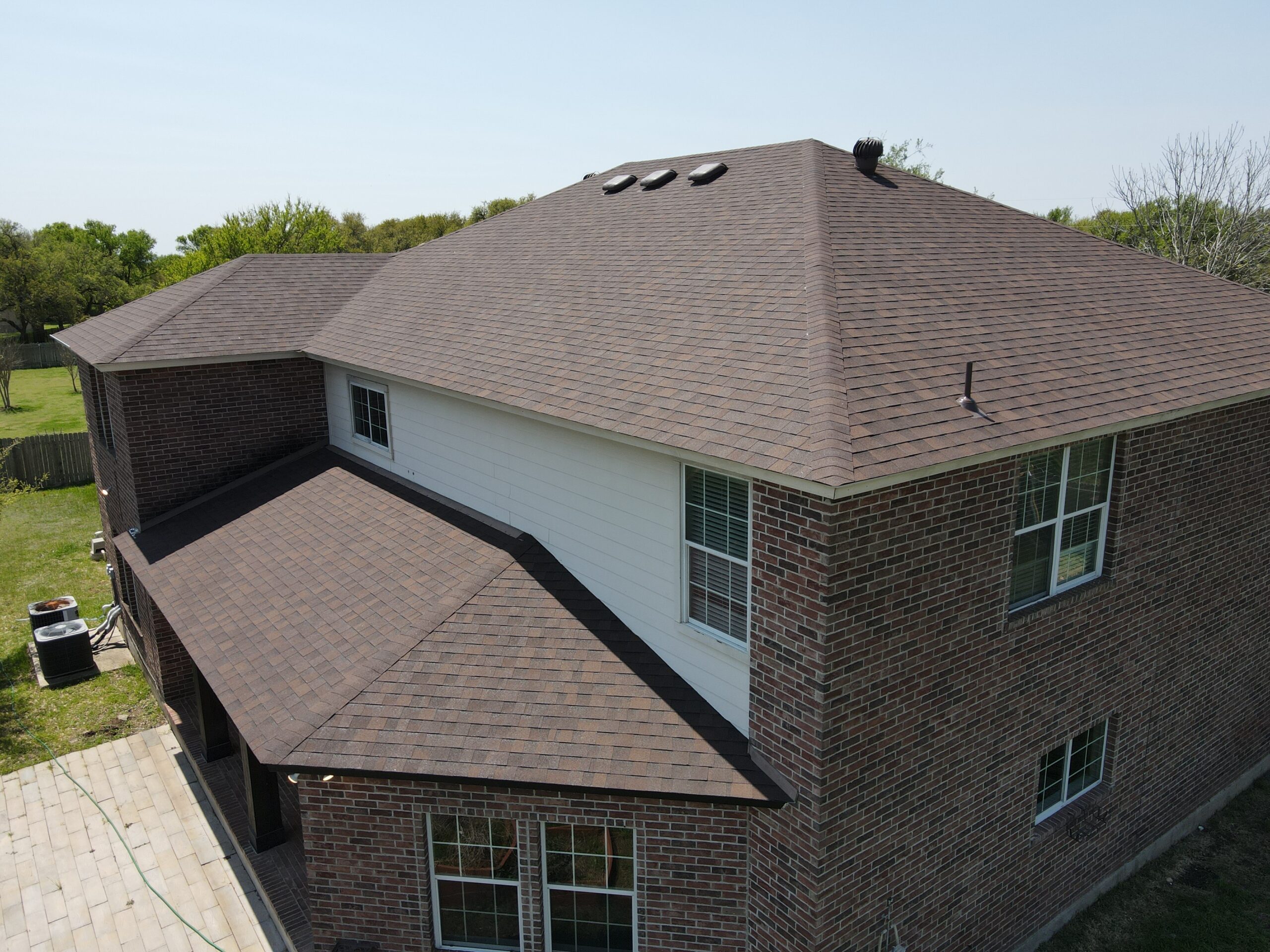
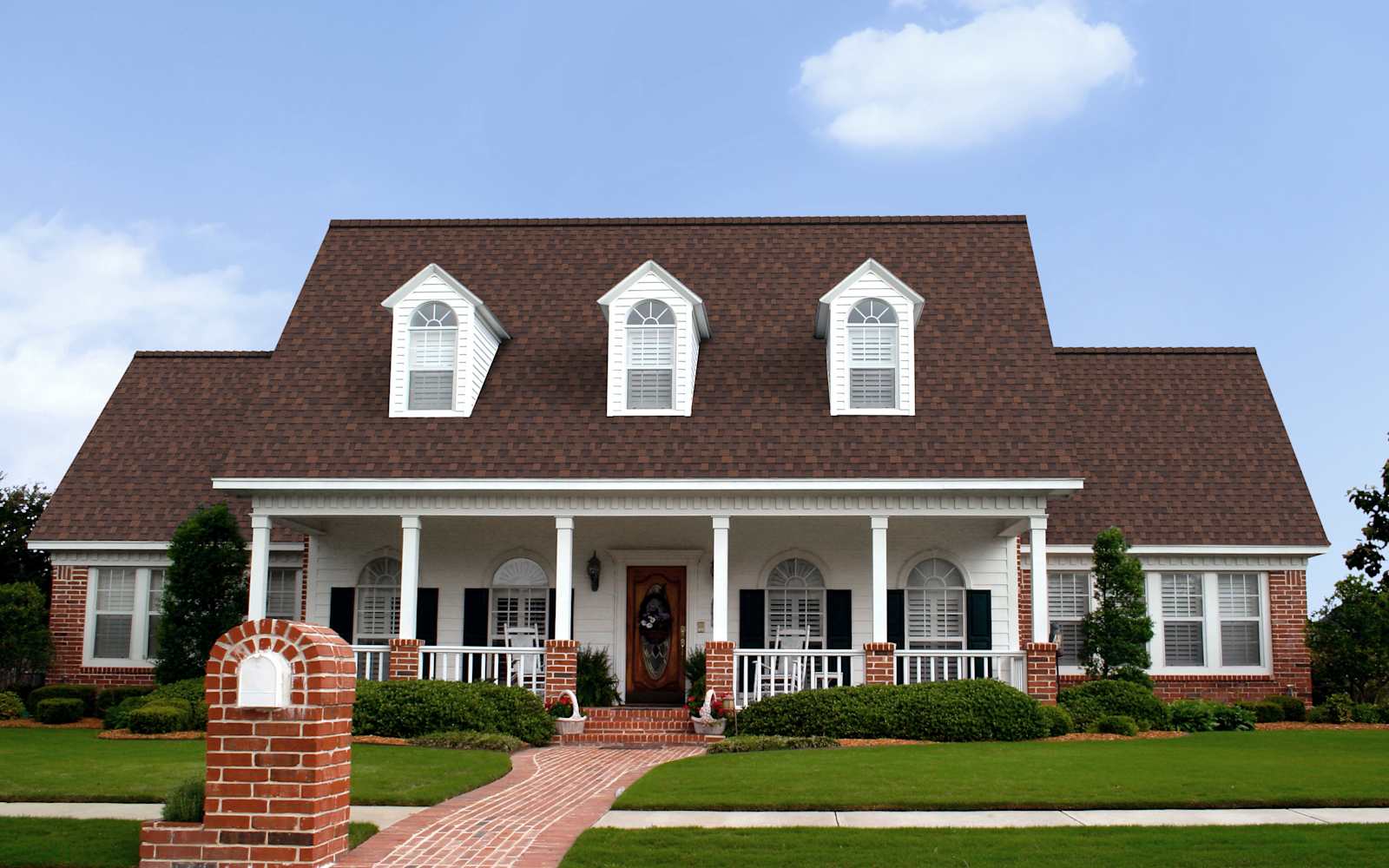
Brownwood sits in the warm half of the asphalt spectrum and pairs naturally with brick, stone, and earth-tone siding. On Florida elevations with bright midday light, the surface picks up enough red to read as a clear, decided color rather than a generic 'dark roof'.
The profile
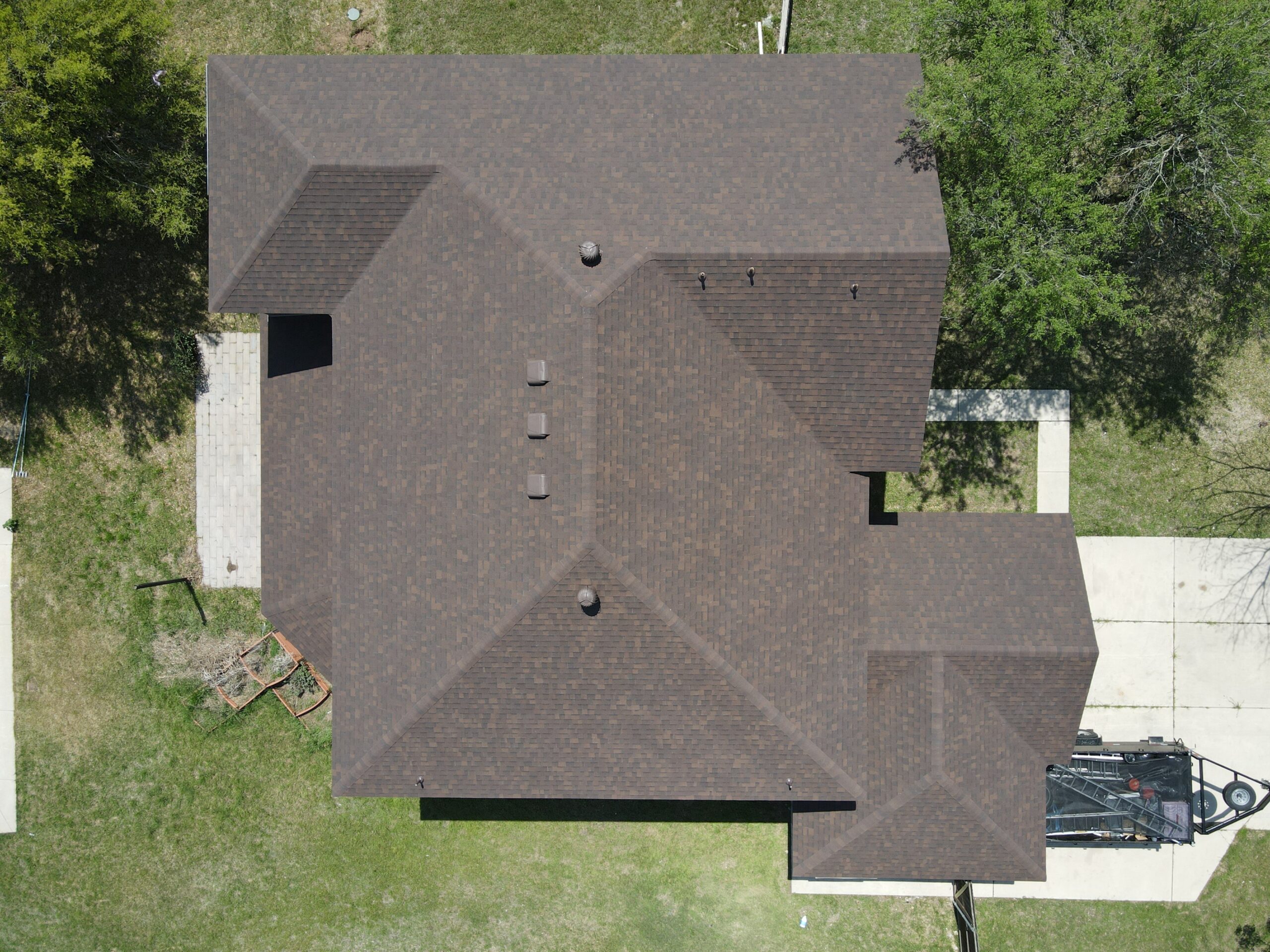
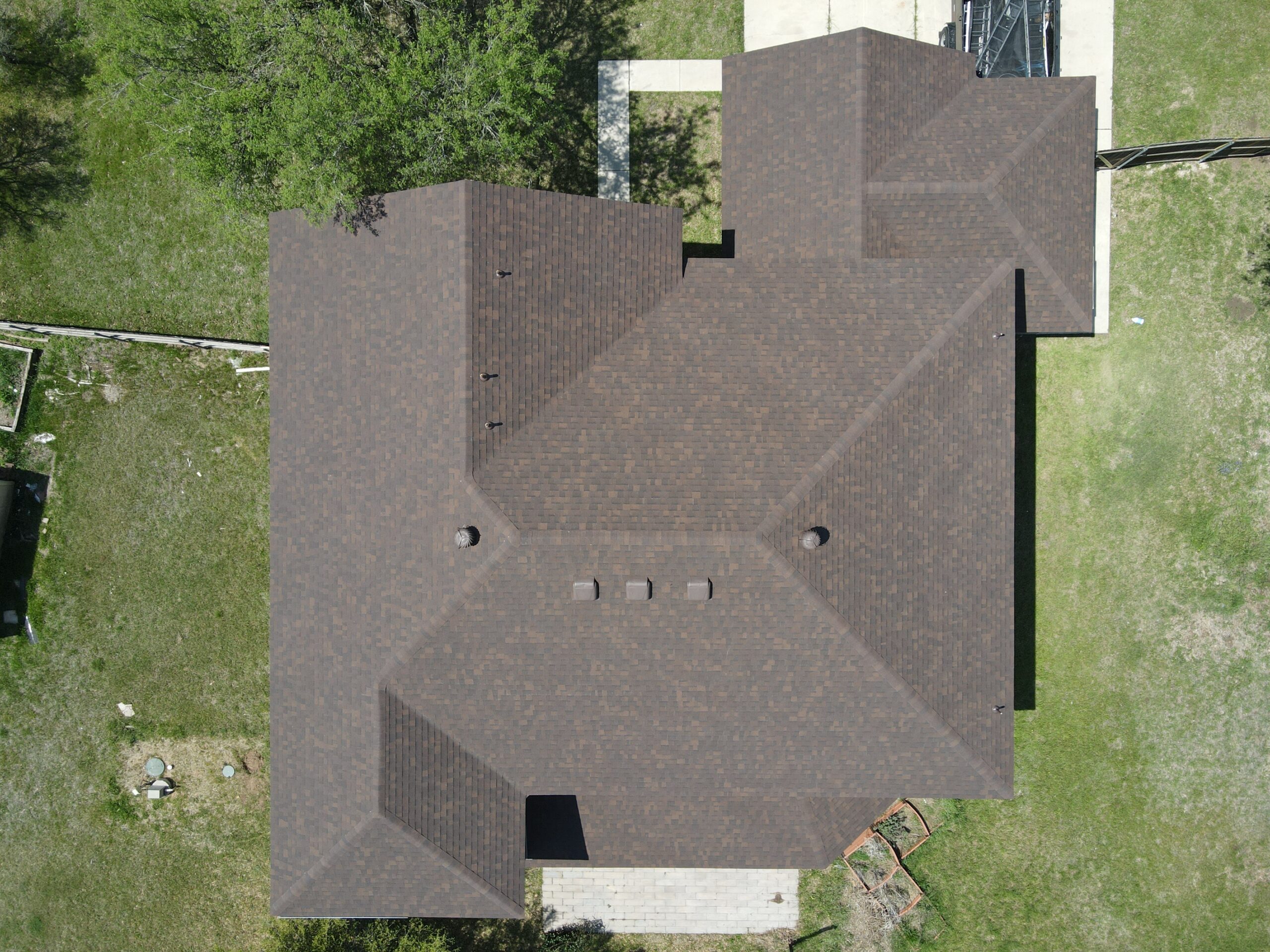
Look closely and you can pick out three or four granule shades inside the blend. The eye stops registering them at conversational distance, but the layered texture is why warm-brown asphalt roofs photograph as 'rich' rather than 'flat'.
Where it belongs
Difficult to use poorly on a craftsman, traditional, or Tudor home. Harder to specify on a stark modern build where the warmth of the roof can fight the rest of the palette.
Upload a phone photo of your house and watch our AI swap your existing roof for Owens Corning Oakridge Brownwood in about four seconds. Save the render, share with your contractor, change your mind ten times. Free.
About Brownwood.
Questions homeowners ask before they commit. Answered without sales spin.
A warm, anchored brown with visible reddish or amber granule accents. In direct Florida sun it reads as a clear sienna or coffee; in shade it softens to a near-black. The blend is layered enough that the surface looks alive rather than flat.
Yes, and that is the canonical pairing. Brown asphalt and red brick share a warm tonal family, so they read as one coordinated elevation rather than competing colors. The trick is keeping the trim color clean and bright (warm white, soft cream) so the eye has somewhere to rest.
Minimally. Owens Corning's ceramic granule coating holds warm tones for 25 plus years in Florida UV. Browns tend to drift slightly cooler over the first 5 years (a barely visible shift) and then stabilize. The full warranty covers premature fading. Source: Owens Corning product warranty card and NRCA Asphalt Shingle Manual.
Slightly. Dark warm tones absorb similar solar heat to dark grays, adding roughly 5 to 10 degrees Fahrenheit to peak-summer attic temperatures versus a light gray. Proper ventilation and a radiant barrier under the decking keep monthly cooling-cost impact under 20 dollars in most homes.
The 'brown' SKUs across major brands sit within a fairly tight tonal window. Most are mid-to-dark brown with warm undertones; differences are mostly in granule blend size and shadow-line depth. Use the Compare tab to see direct hex deltas against similar SKUs.
On a contemporary white-stucco build, possibly. On a craftsman, traditional, Tudor, or Mediterranean elevation it is the most architecturally correct choice and reads as deliberate rather than dated. Picking by house style matters more than by trend.
It's free. No signup.
See Brownwood on your house before you commit to it.


 #6C4A3C · brown · warm undertone