
Cream House With a Brown Roof: 7 Real Examples 2026
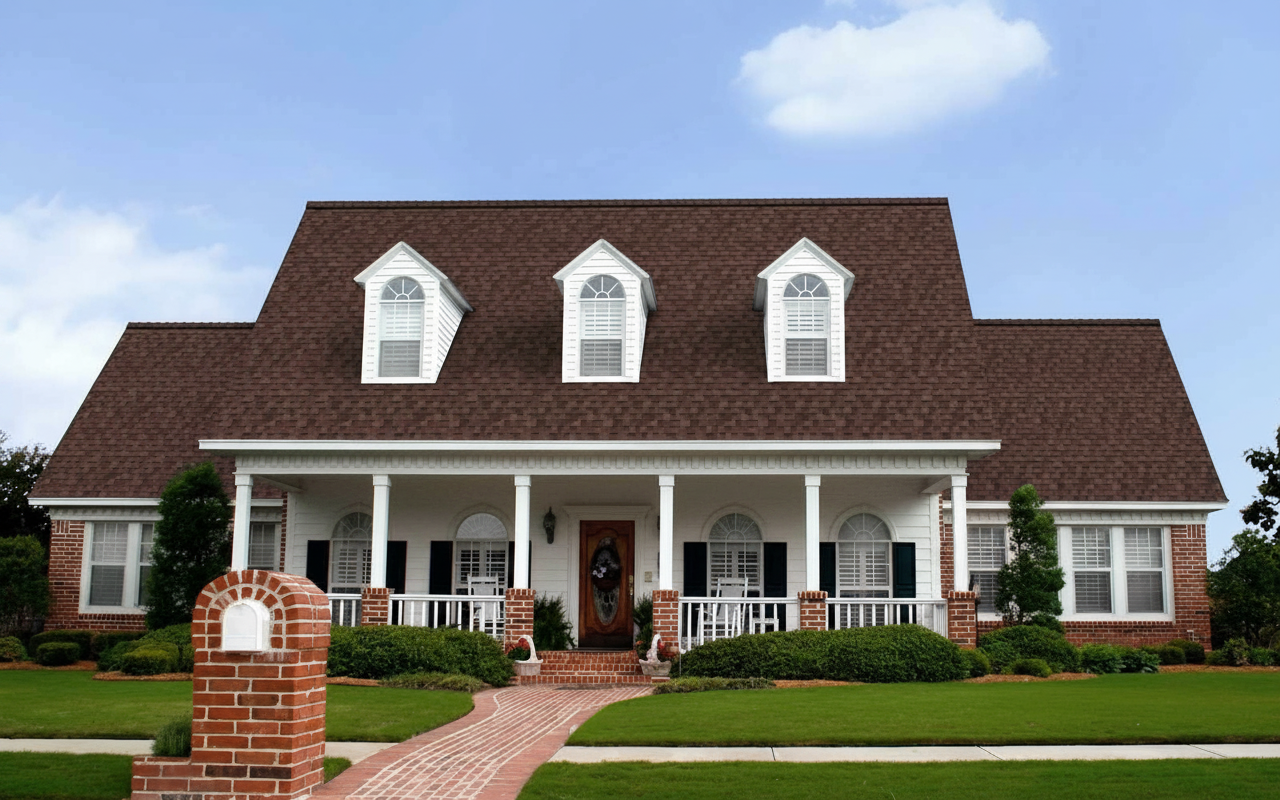
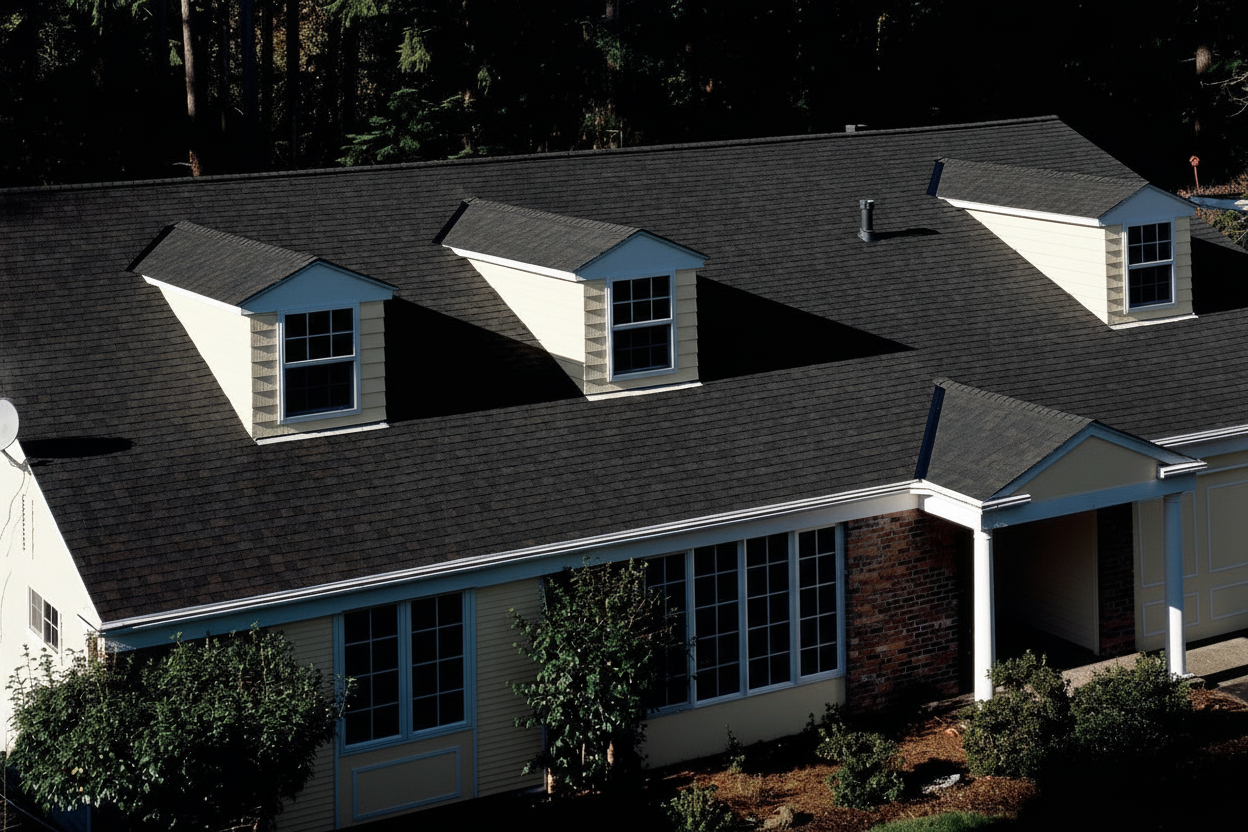
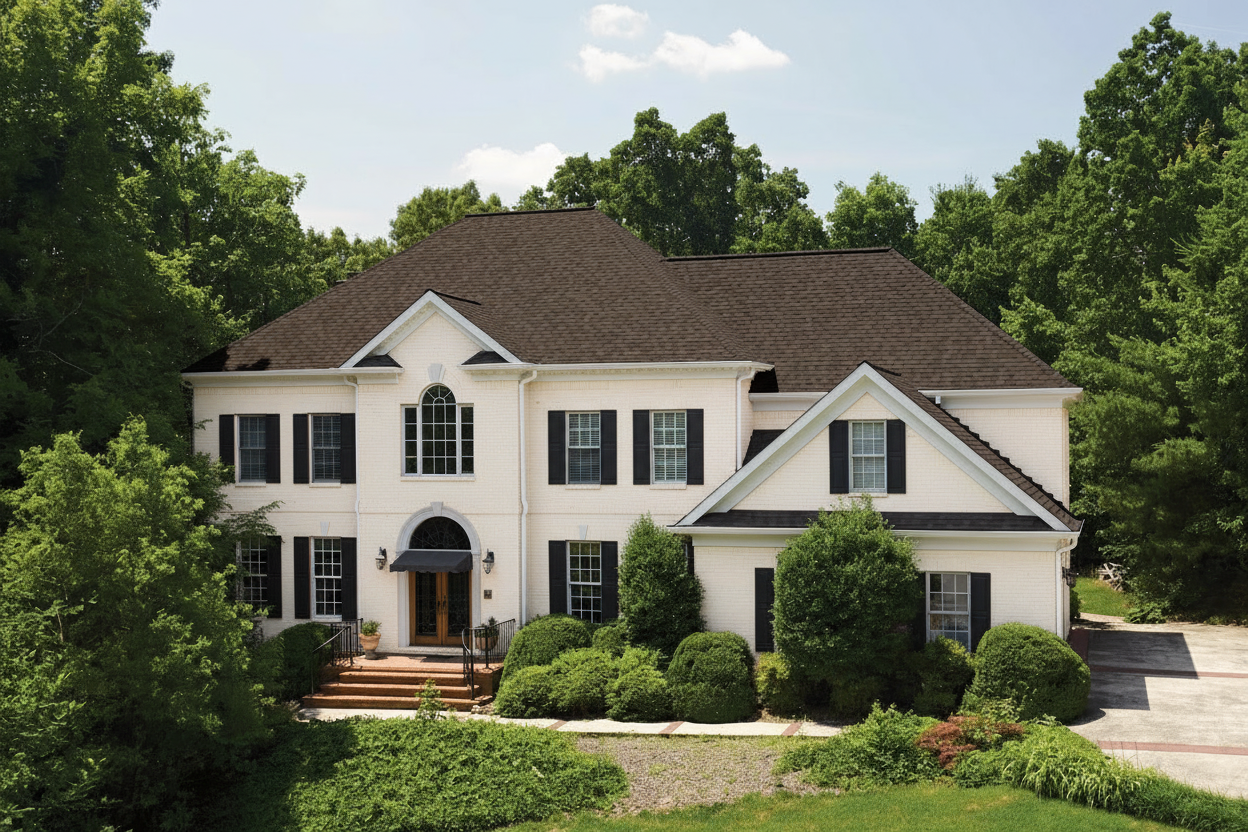
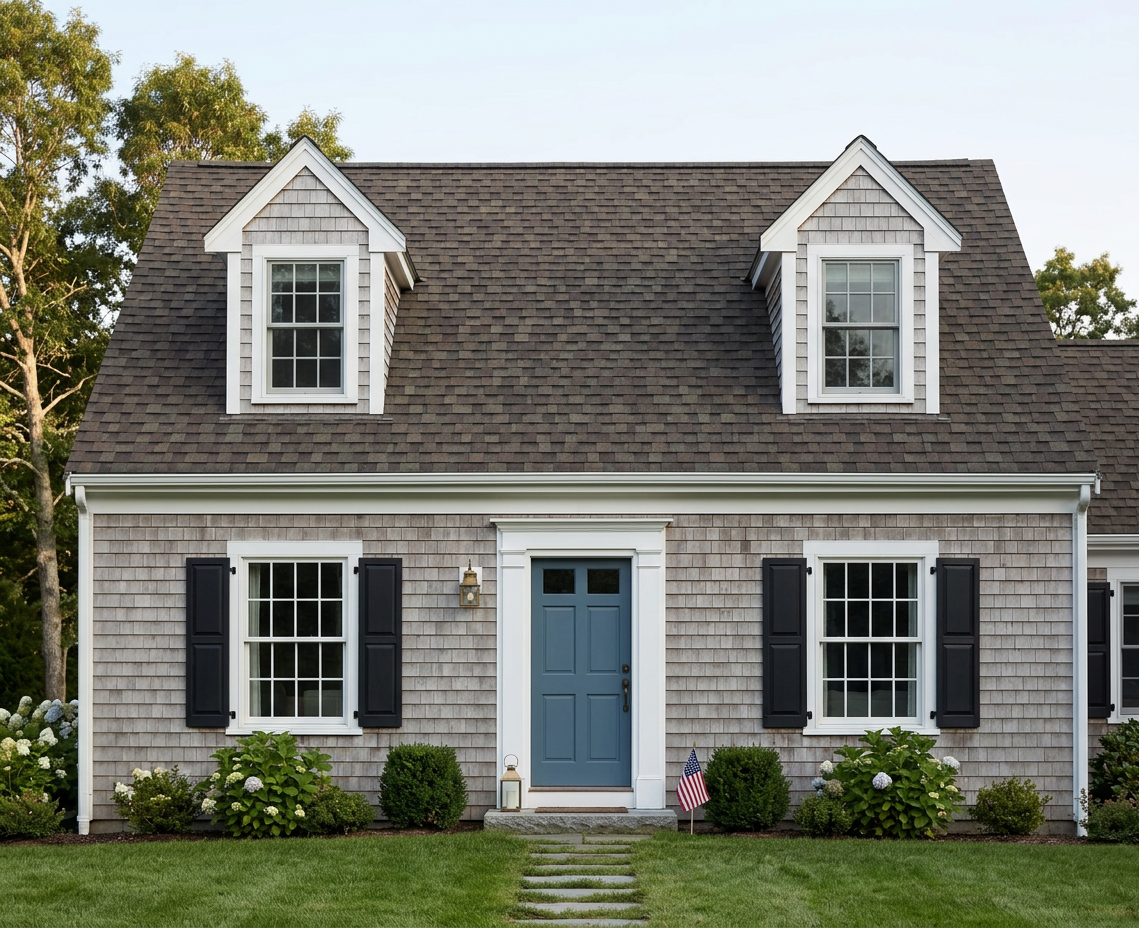
A cream house with a brown roof keeps the entire elevation in the warm register. Brown asphalt amber and tobacco granule blend complements the yellow undertones in cream siding rather than contrasting them, creating a cohesive traditional palette that reads as settled and grounded.
Mediterranean, craftsman, and colonial styles carry this combination most naturally. Warm-white or almond trim reinforces period character; bronze hardware and natural-wood accents extend the warm palette from roofline to foundation. The combination rewards a fully committed warm palette.
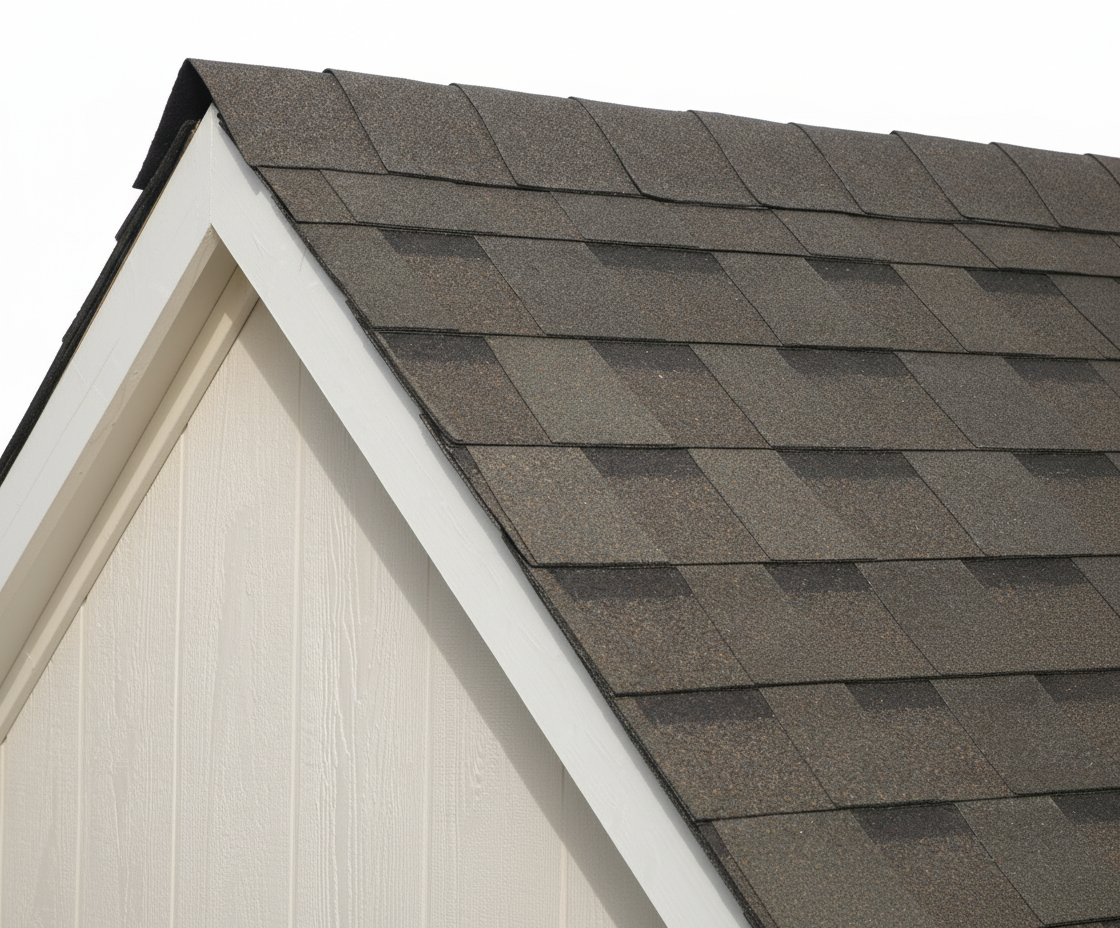
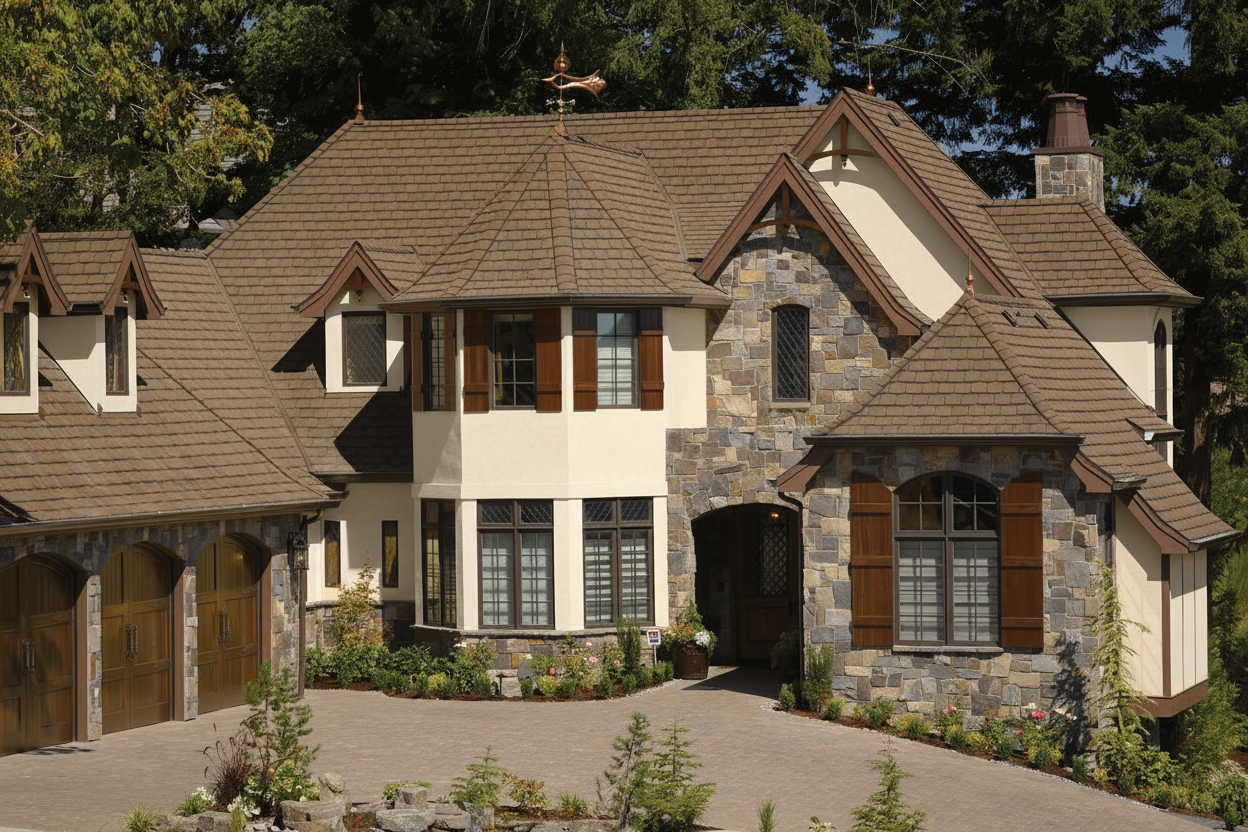
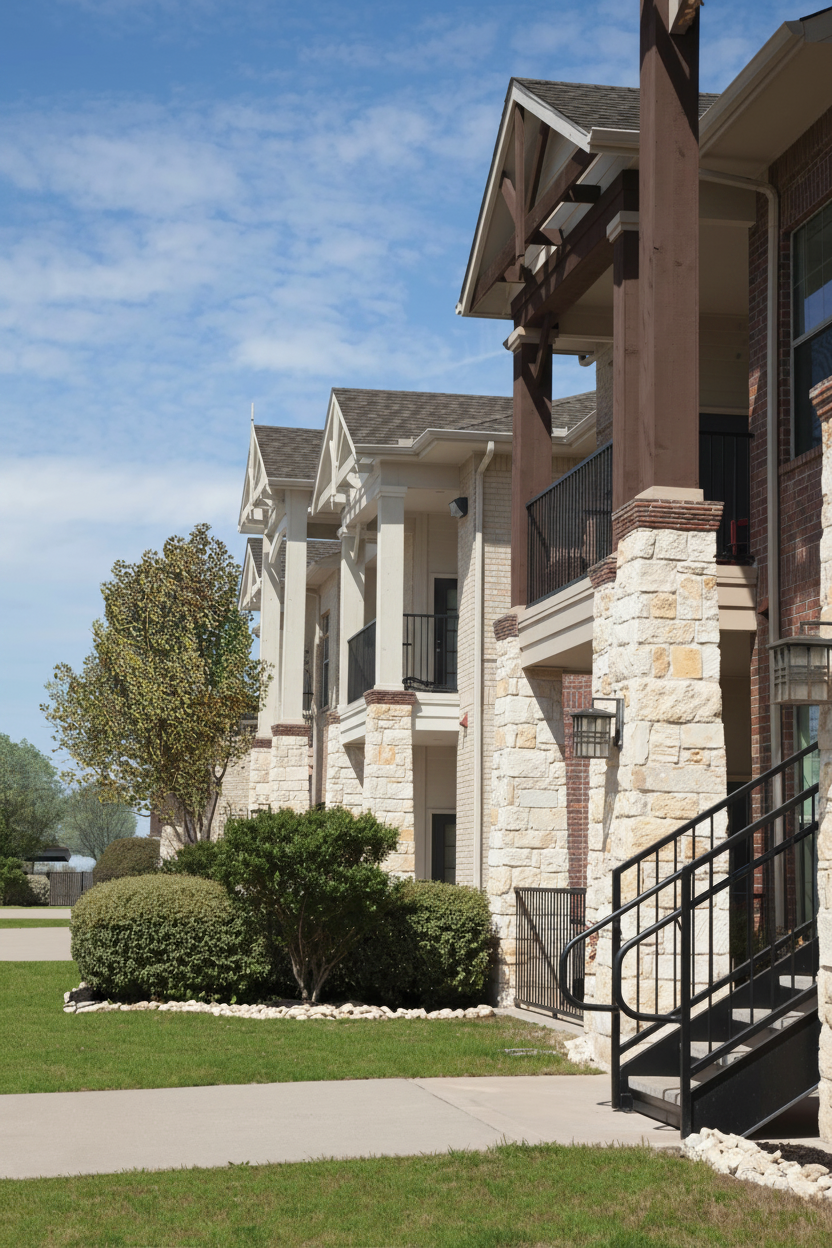
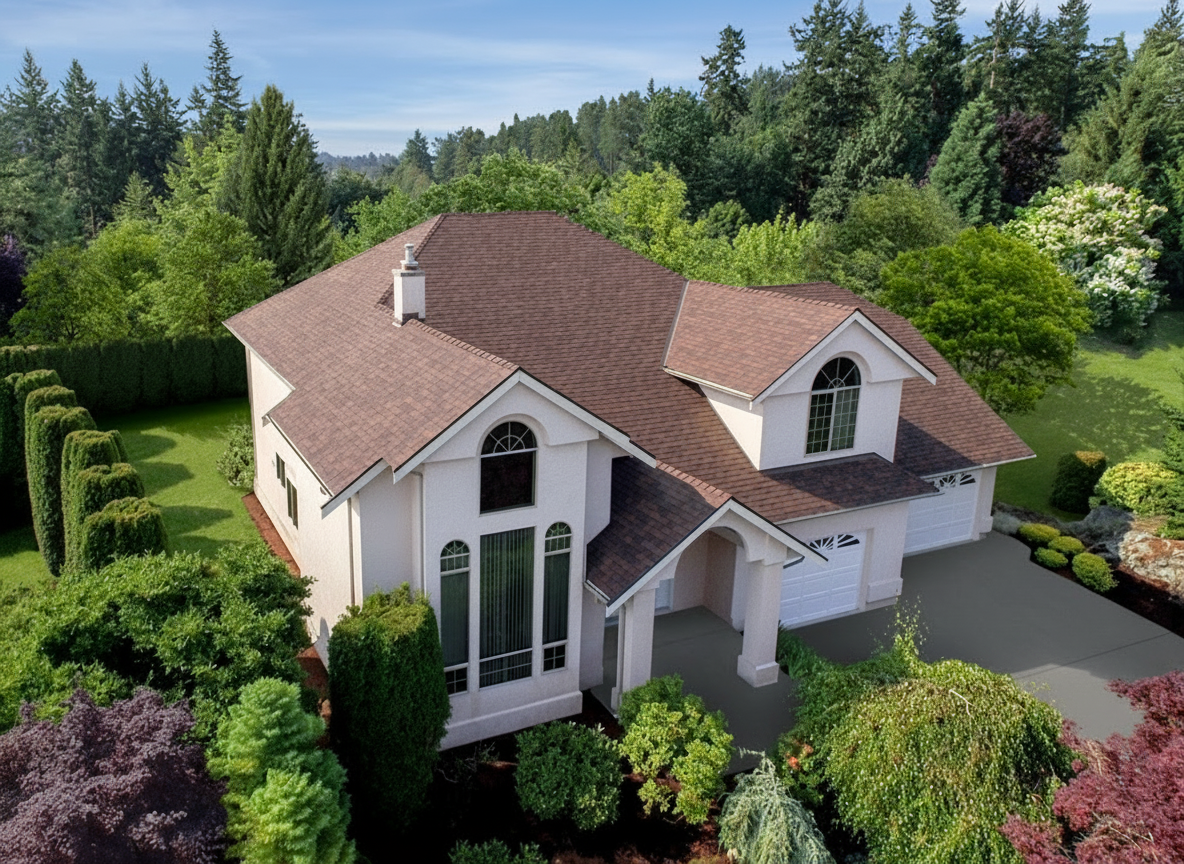
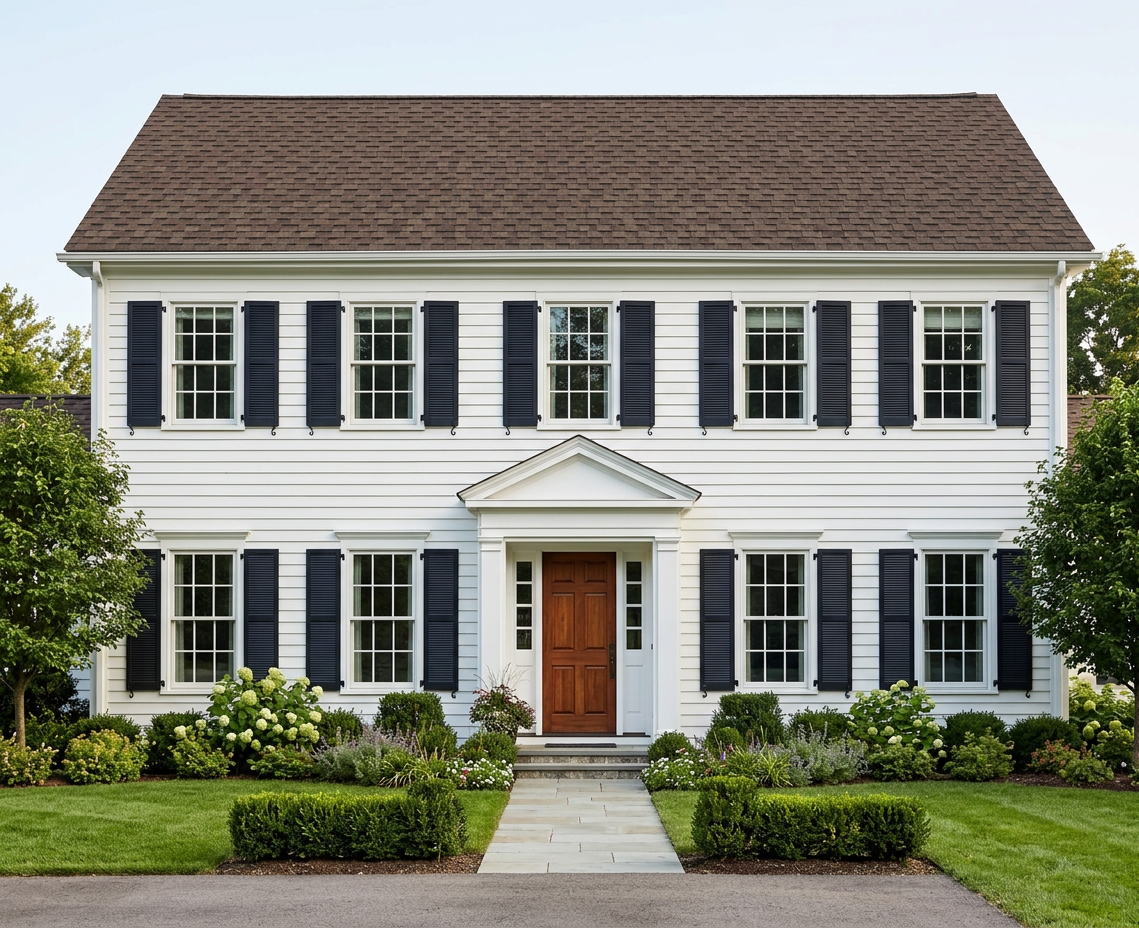
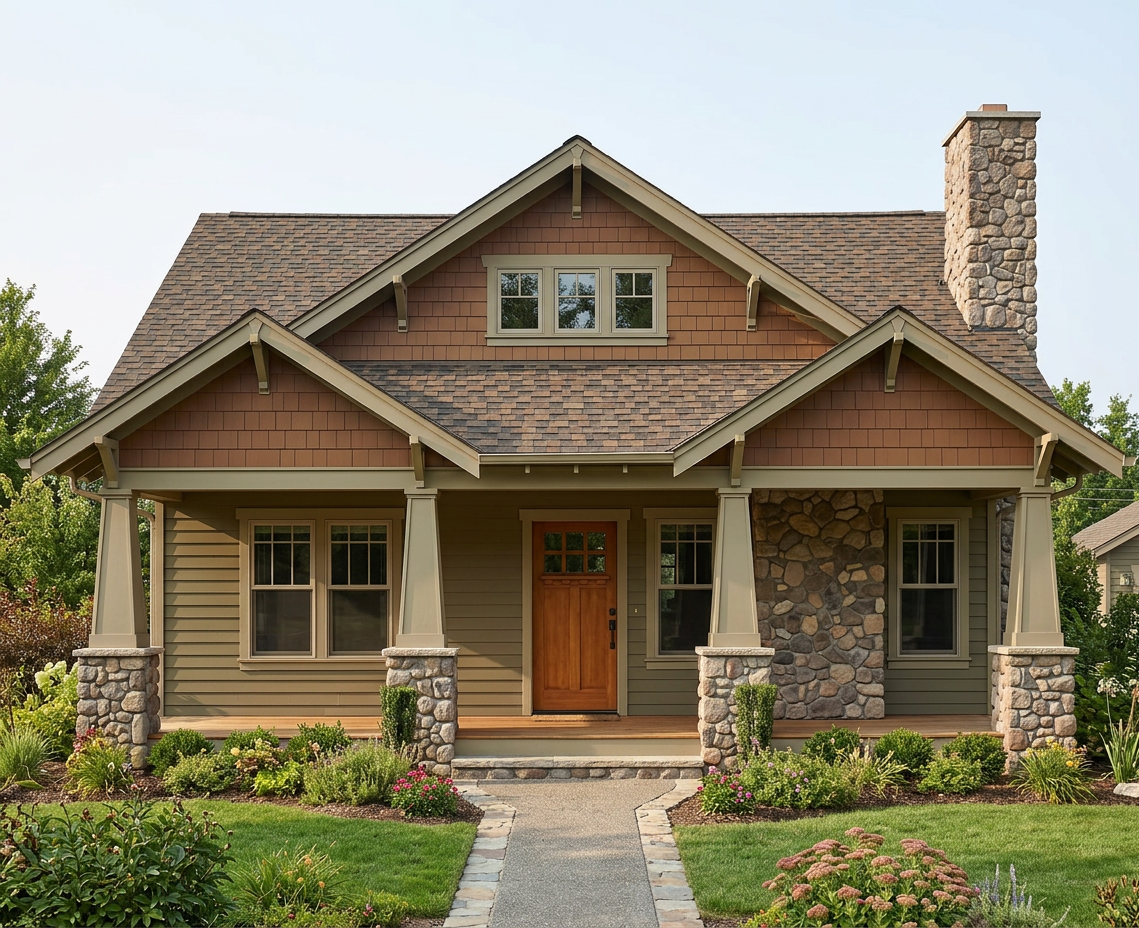
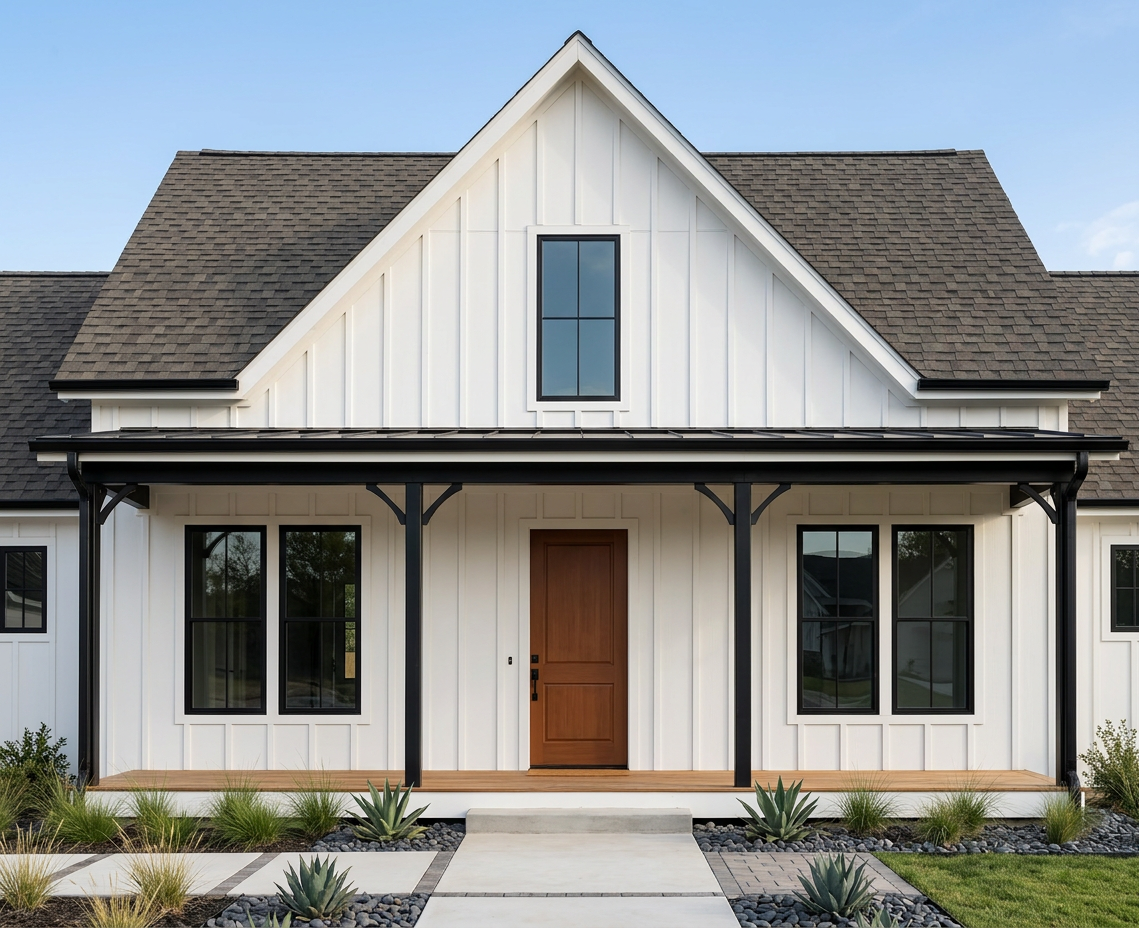
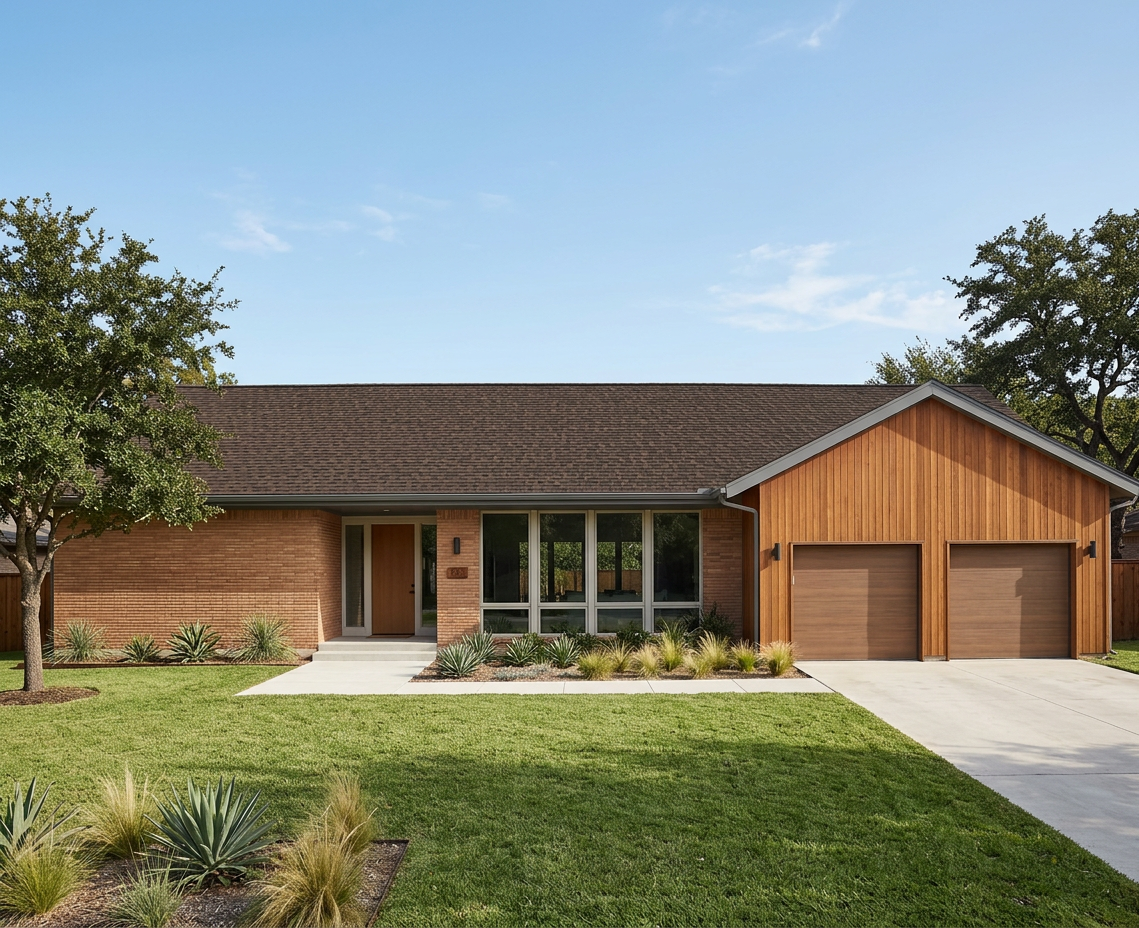
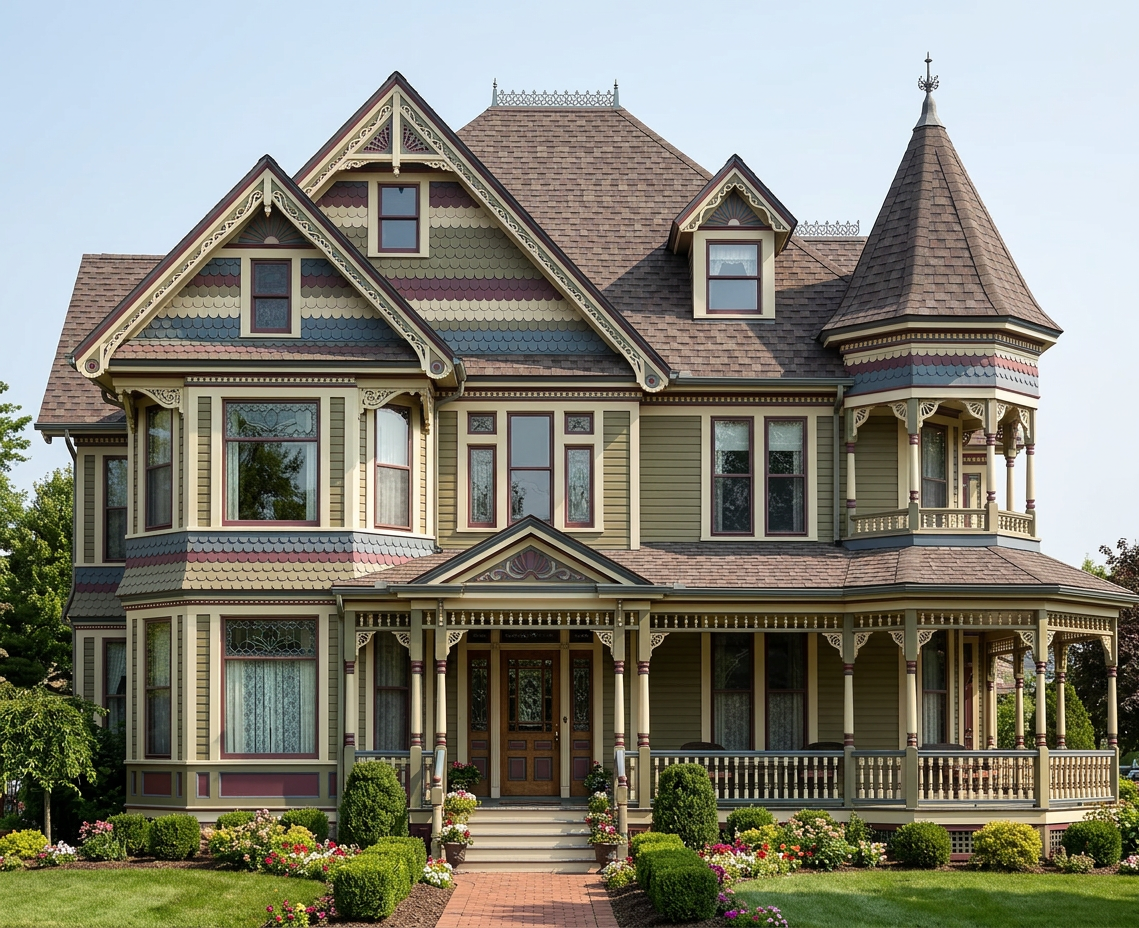
Upload a phone photo of your house and pre-load this exact cream-and-brown pairing in the visualizer. Swap to any of the recommended shingles below in one tap. No signup, no email.
Brown roofs flatter brick and stone.
Brown asphalt sits in the same warm tonal family as red brick, natural stone, and bronze hardware. If your house has any of those materials, a brown roof reads as the architecturally correct choice. On stark white-stucco modern builds, brown can read as dated; on traditional or craftsman elevations, it reads as deliberate.
Granule blend matters more than the single color.
Quality brown asphalt SKUs (CertainTeed Landmark Pro Burnt Sienna, IKO Dynasty Brownstone, TAMKO Heritage Antique Slate) layer three to four granule shades inside the blend. The eye reads them as one warm color from street distance but the layered texture is why premium brown asphalt photographs as 'rich' rather than 'flat'.
Brown fades less visibly than gray or red over time.
Brown asphalt drifts slightly warmer and slightly desaturated over 10 to 15 years of Florida UV. The shift is uniform and gradual, which means the roof never develops the 'patchy' look that aged gray shingles sometimes show. Premium SKUs include a 25 plus year fade warranty. Source: NRCA Asphalt Shingle Manual.
Pairing brown with cool-tone siding
Brown asphalt has visible reddish and amber granule accents. Cool-tone siding (icy white, pure light blue, sterile gray) fights the warm undertone and the elevation reads disjointed. Warm whites, creams, soft sage, and natural-wood tones pair cleanly.
Choosing brown for a modern build
Brown reads as traditional. On a stark contemporary or modern-farmhouse build, brown competes with the architecture rather than supporting it. Charcoal or black serve modern lines better. If your house style is traditional, craftsman, Tudor, or Mediterranean, brown is the architecturally correct choice.
Specifying a flat single-tone brown
Economy brown SKUs use one granule shade and look chalky-flat in Florida sun. Premium multi-tone browns (Landmark Pro Burnt Sienna, IKO Dynasty Brownstone, GAF Timberline HDZ Barkwood) layer 3-4 shades and read as 'rich' rather than 'dated'.
The questions homeowners ask before they commit. Answered without sales spin.
Depends on architecture. On a traditional, craftsman, Tudor, Mediterranean, or rustic build, no -- it reads as deliberate and architecturally correct. On a stark contemporary or modern-farmhouse build, possibly. Pick the roof color based on the house style, not the trend year.
Warm whites, creams, soft sage, brick red, and natural-wood tones pair cleanly. Pure cool whites and stark blues fight the warm undertone in brown asphalt and tend to read as out of harmony.
Almost never. Brown asphalt sits naturally in the tonal range of bark, soil, and stone, which is why it reads as anchored on wooded or natural-landscape lots. The combination only struggles against intensely manicured, all-white-flower landscapes where a cooler roof would echo the planting palette better.
Yes, especially in Florida's warm-stucco and Mediterranean-style markets. Brown reads as classic rather than trendy, which is what most homeowners want from a 25 to 50 year roof investment. Charcoal and black volumes lead in the modern segment; brown leads in the traditional segment.
Roughly the same. Solar absorption is driven mostly by luminance (how dark the color is) rather than hue. A mid-dark brown and a mid-dark gray absorb comparable heat. Peak Florida attic-temperature impact is 5 to 10 degrees Fahrenheit warmer than a light-gray roof.