
Brick Red House With a Black Roof: 7 Real Examples 2026
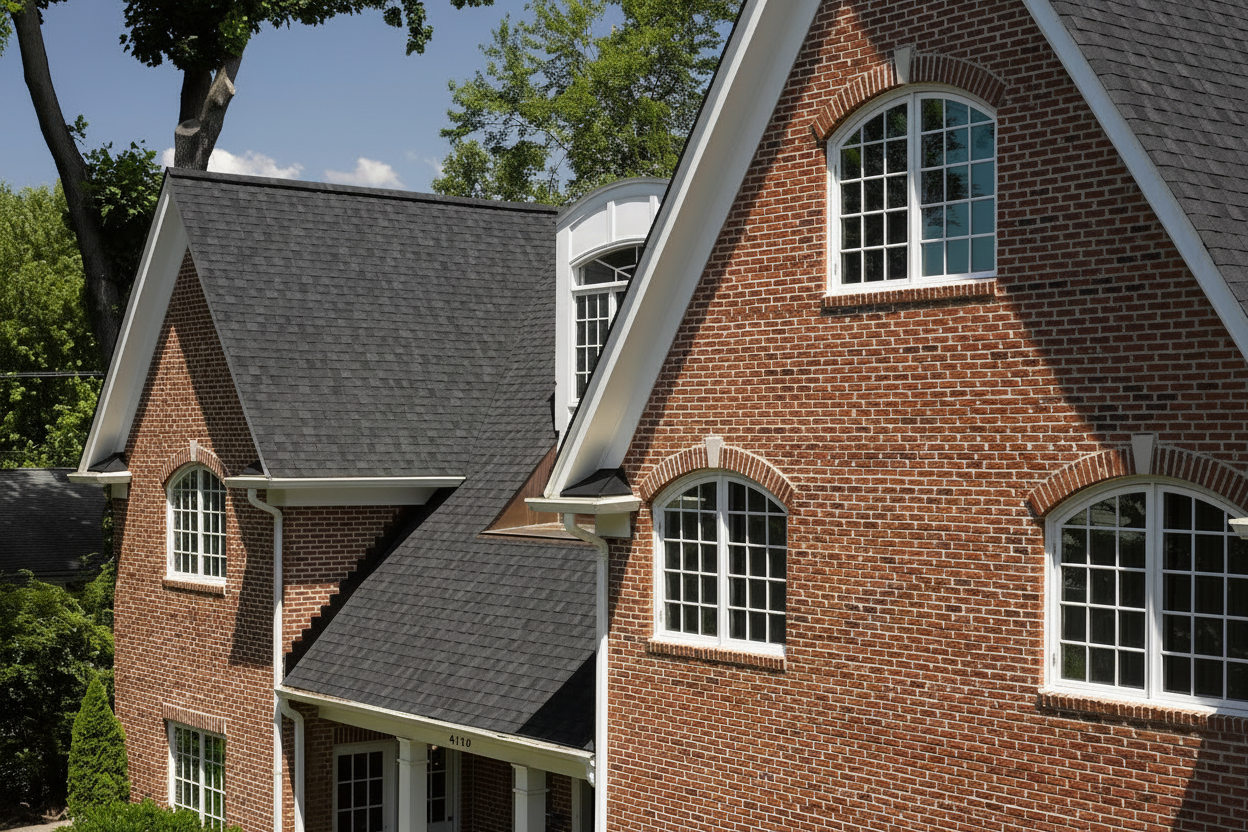
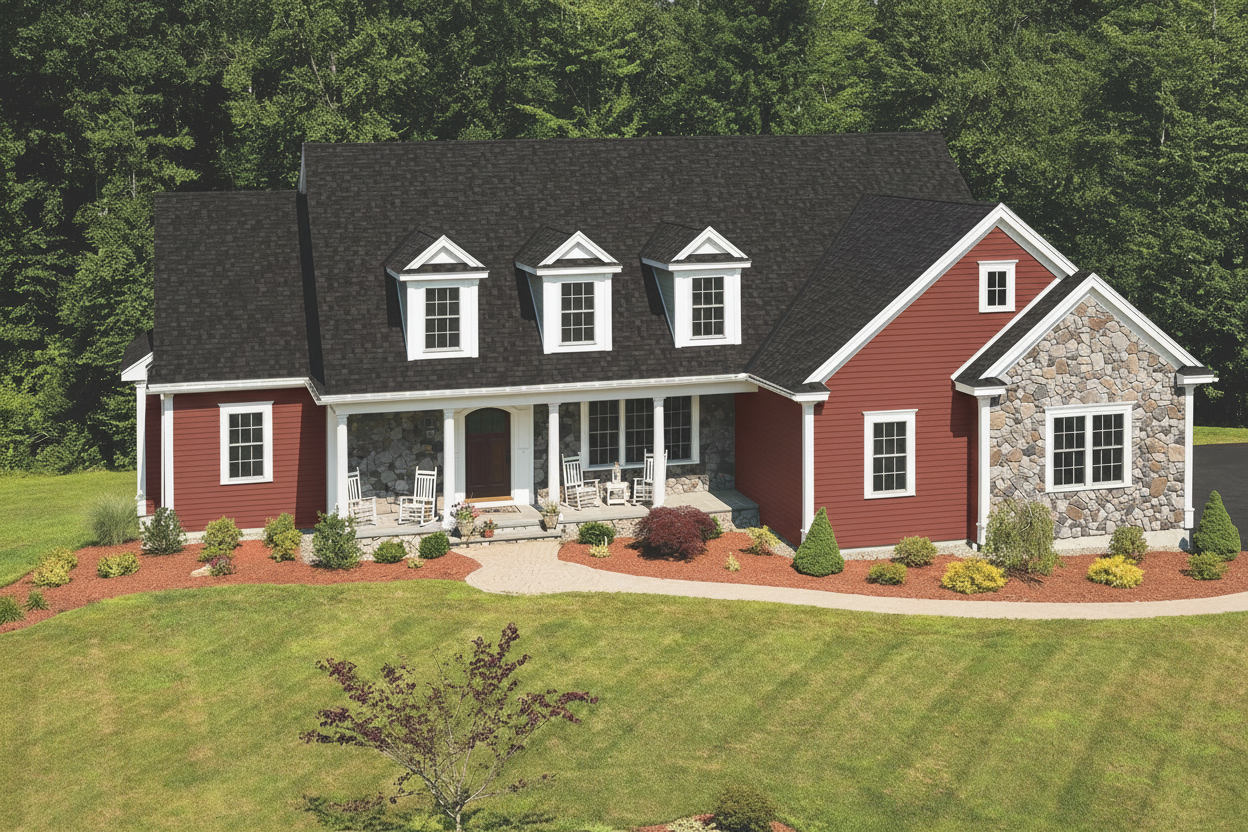
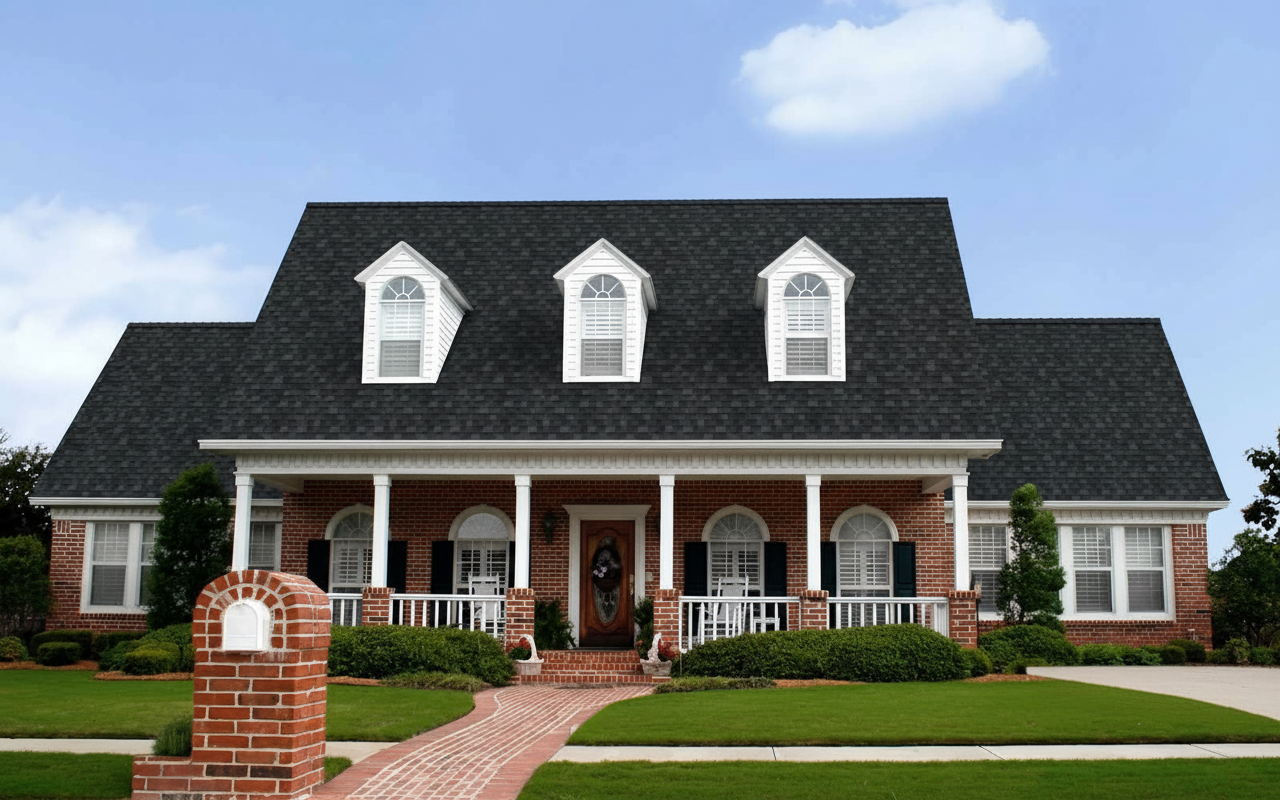
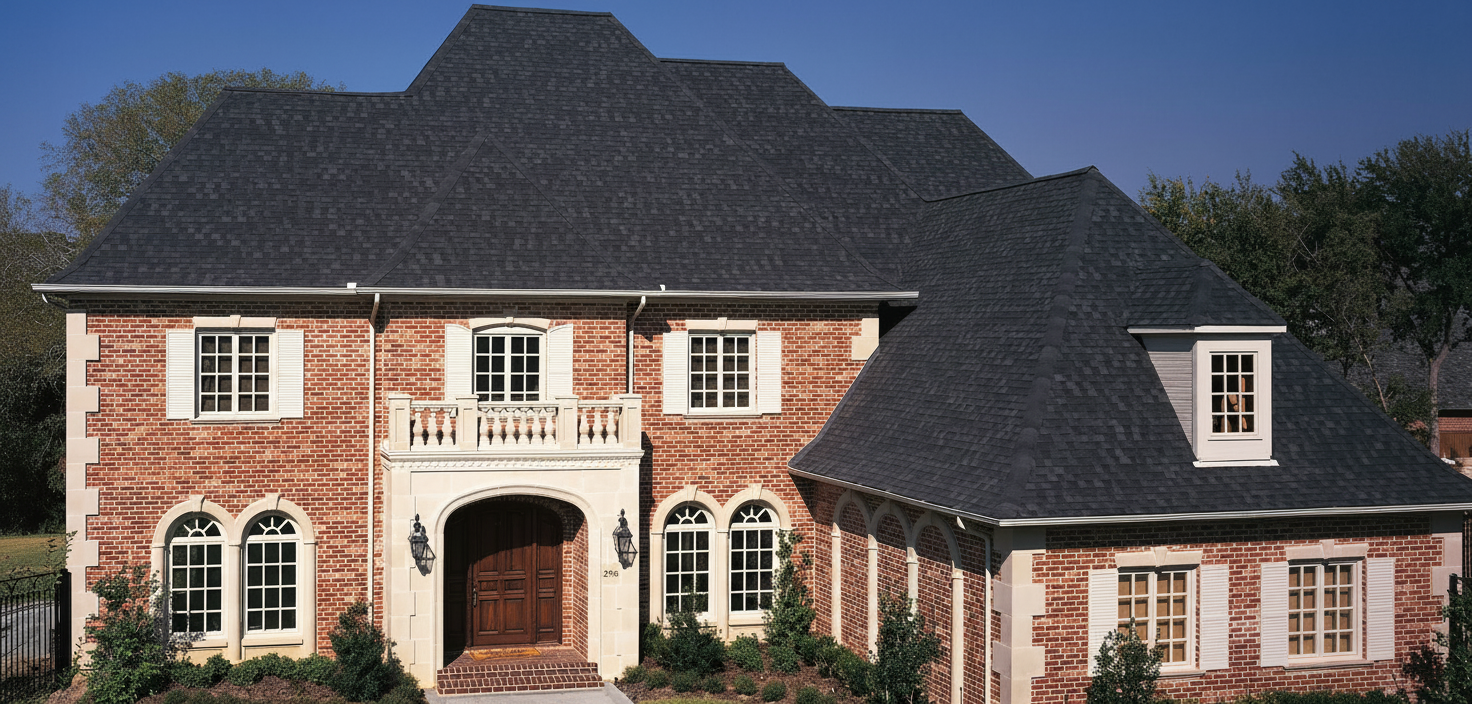
A brick-red house with a black roof is high-contrast pairing where the warm siding sets the personality and the black roofline provides the anchor. The dark cap prevents the warm body color from reading as too energetic, keeping the elevation confident and composed across craftsman, colonial, and traditional styles.
Trim color is critical. Cream or warm-white trim keeps the palette grounded; black trim unifies the roofline and window frames into a graphic surround for the warm siding. Either direction is intentional - neither reads as neutral.
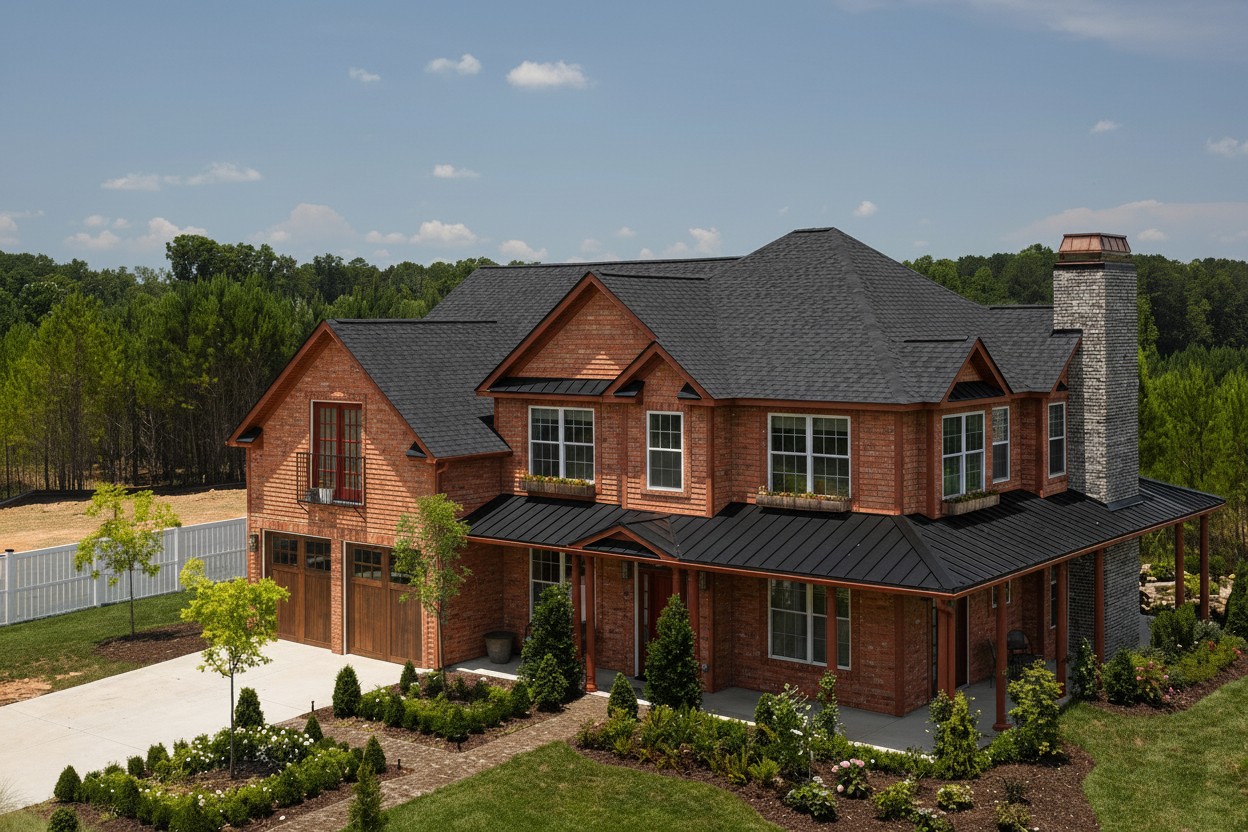
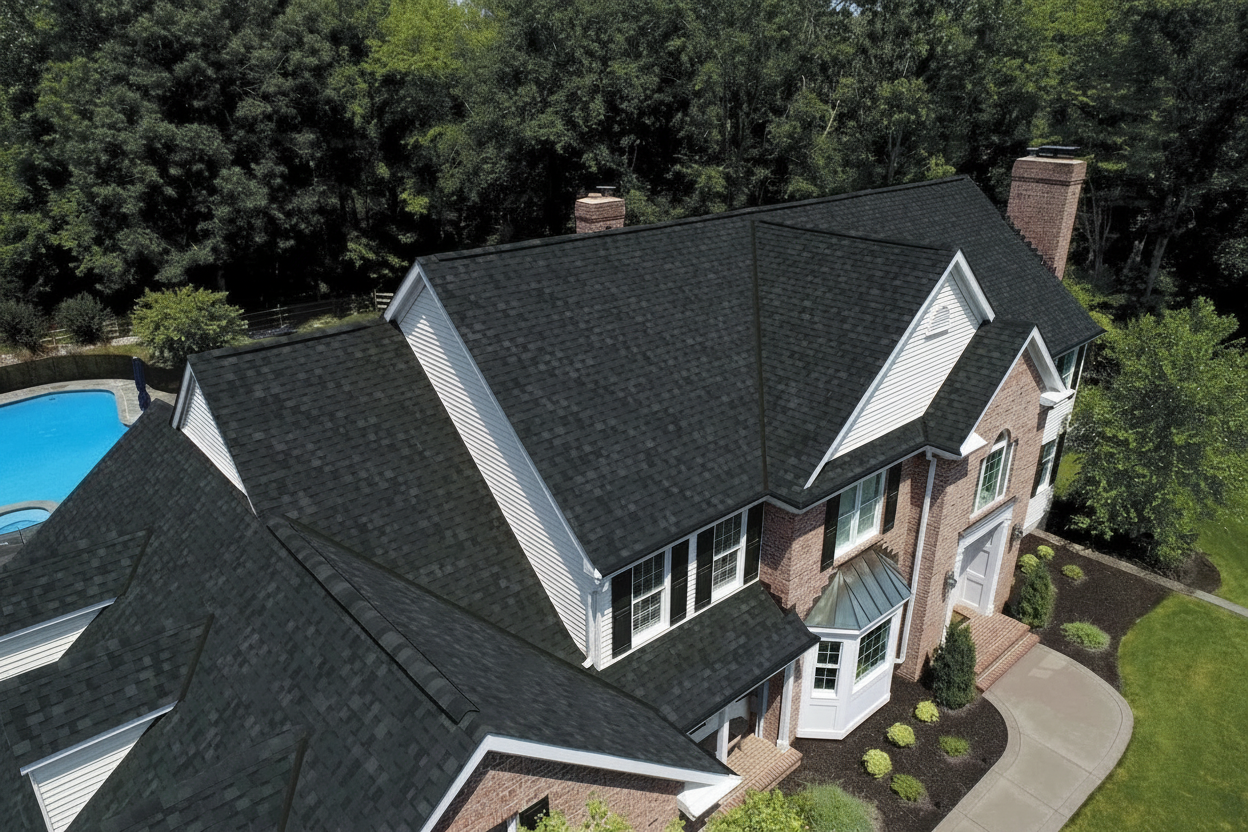
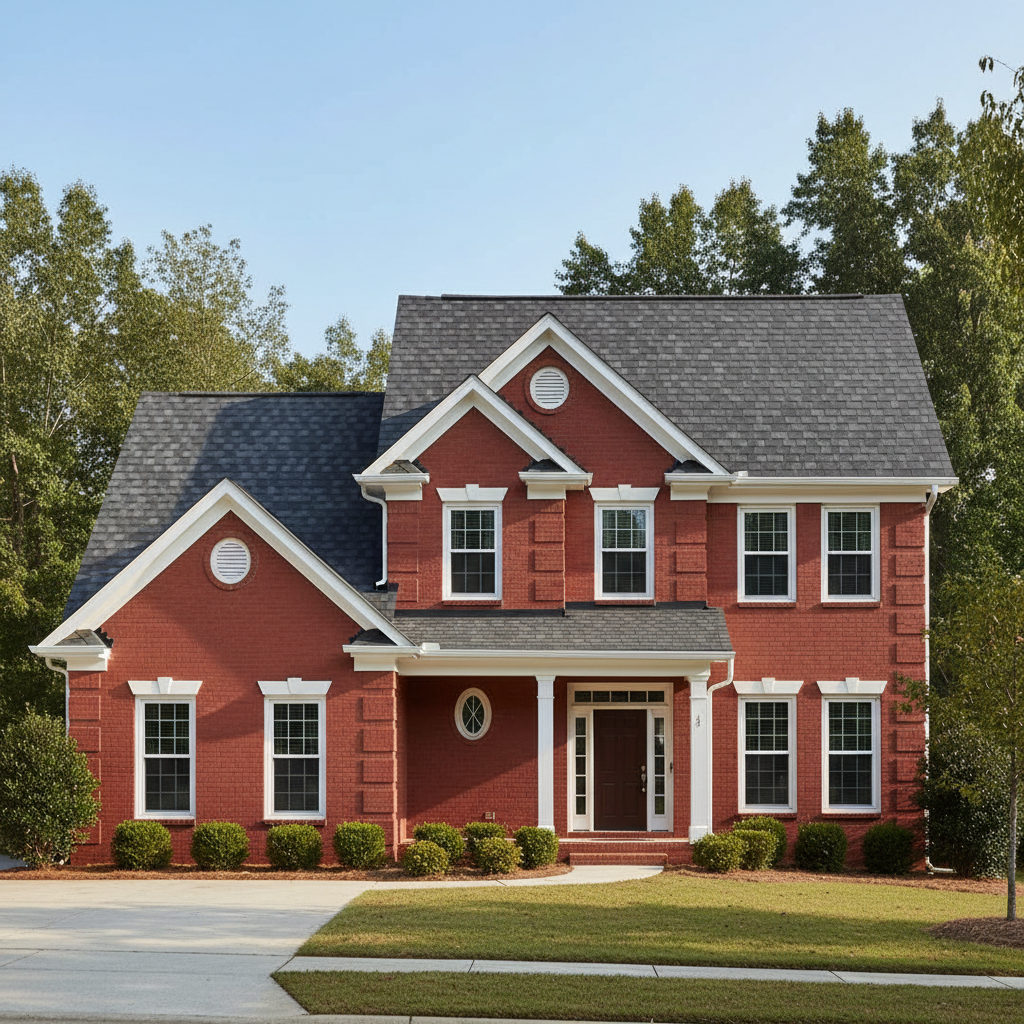
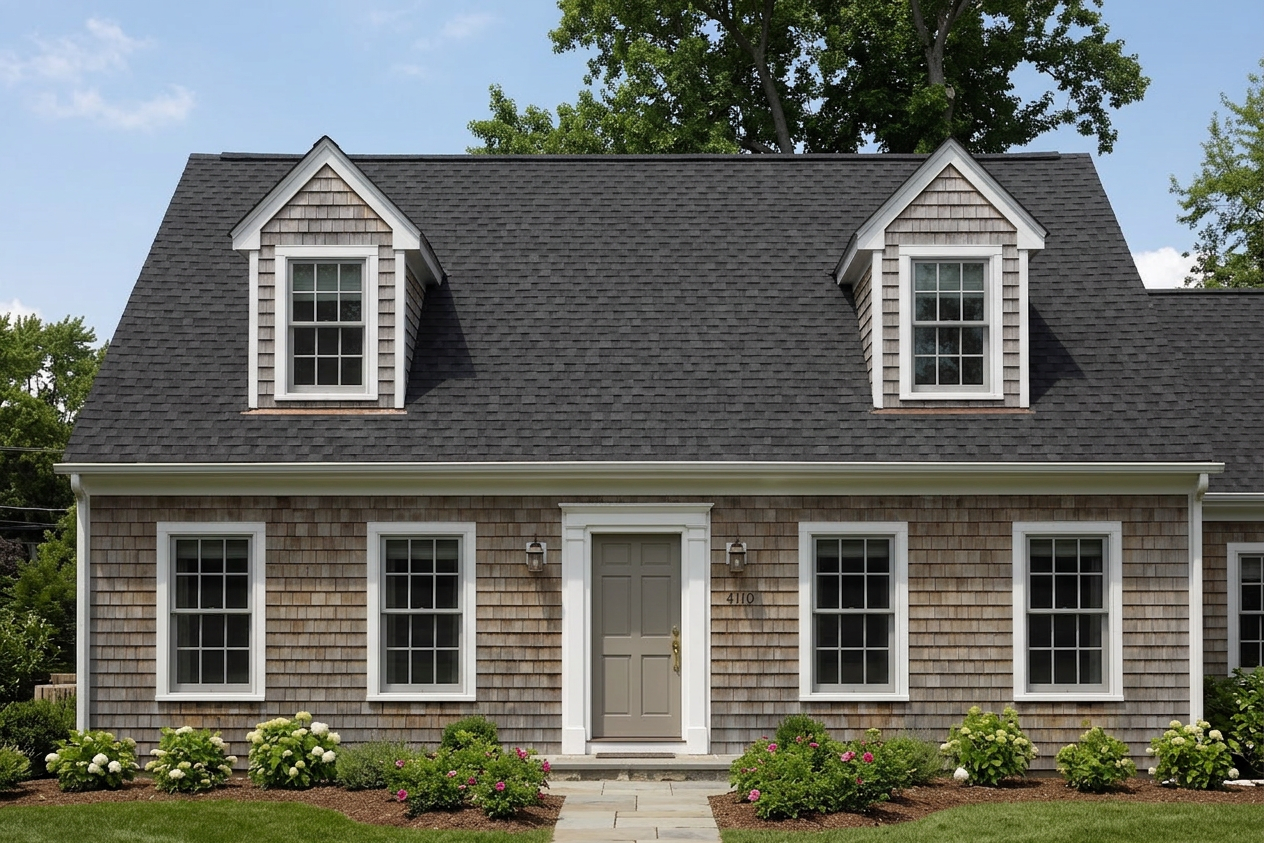
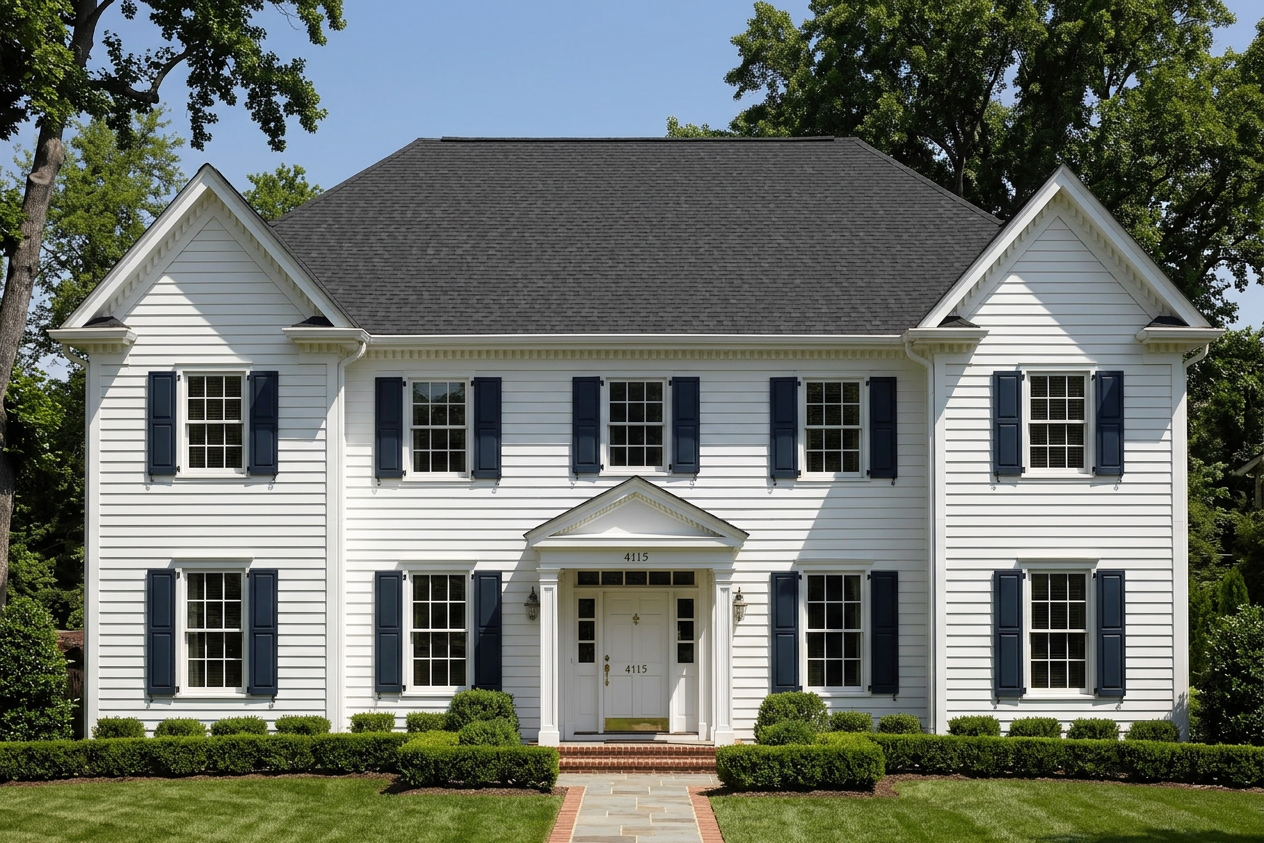
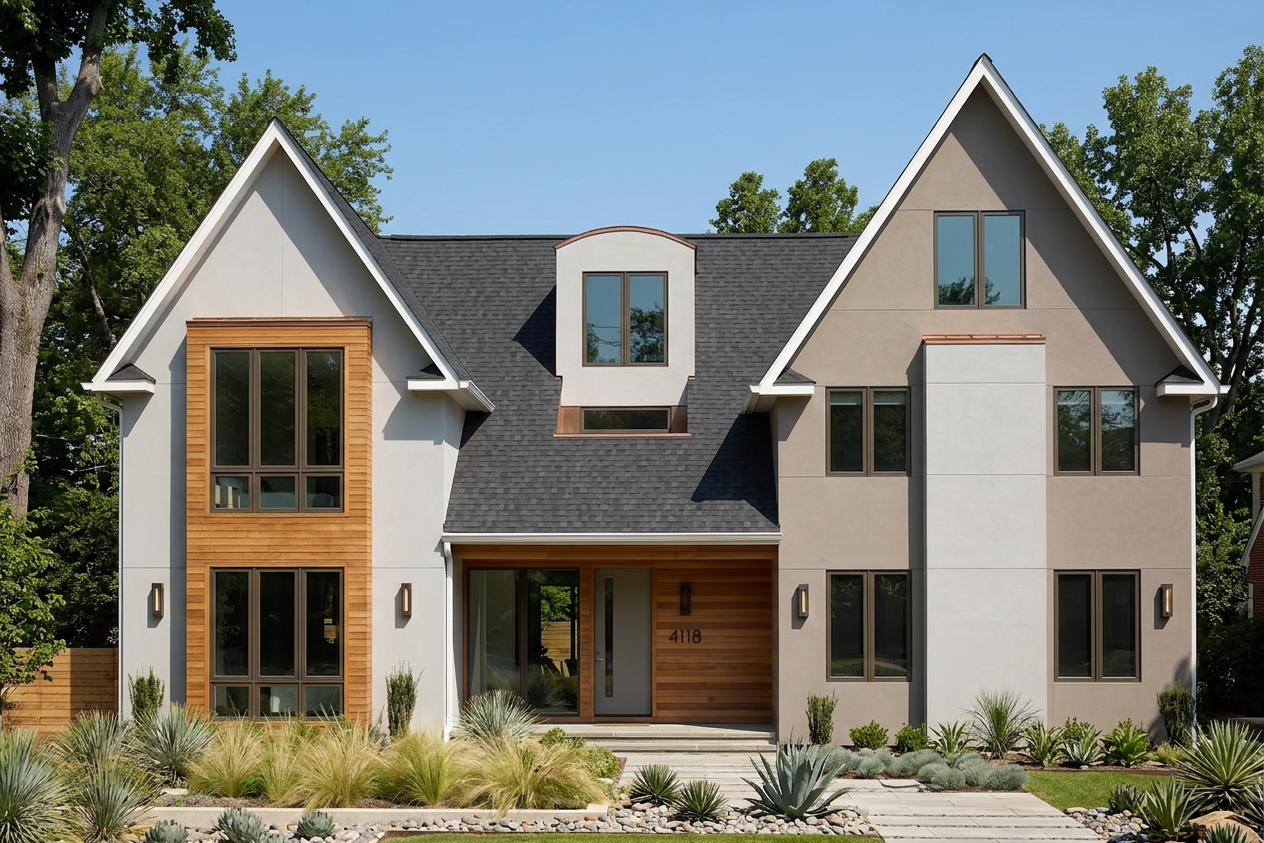
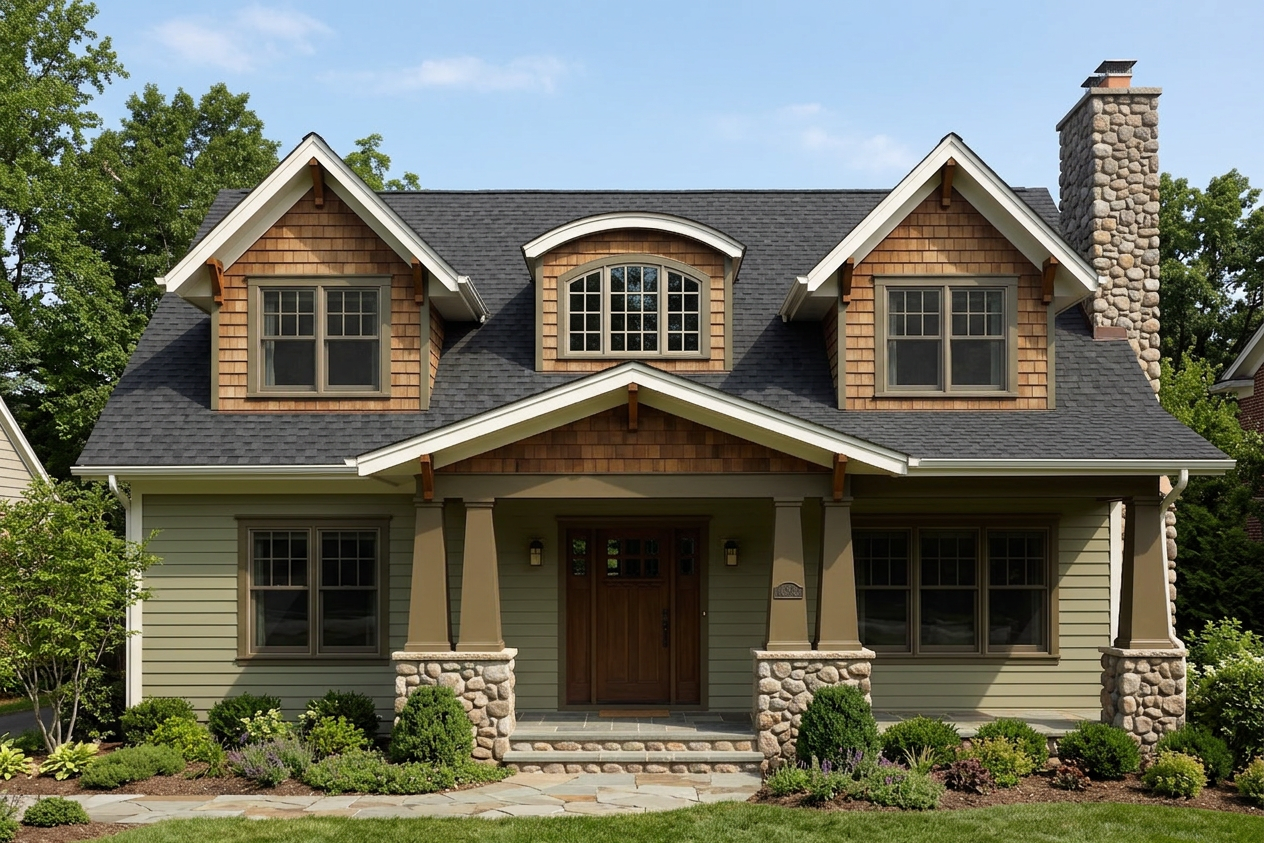
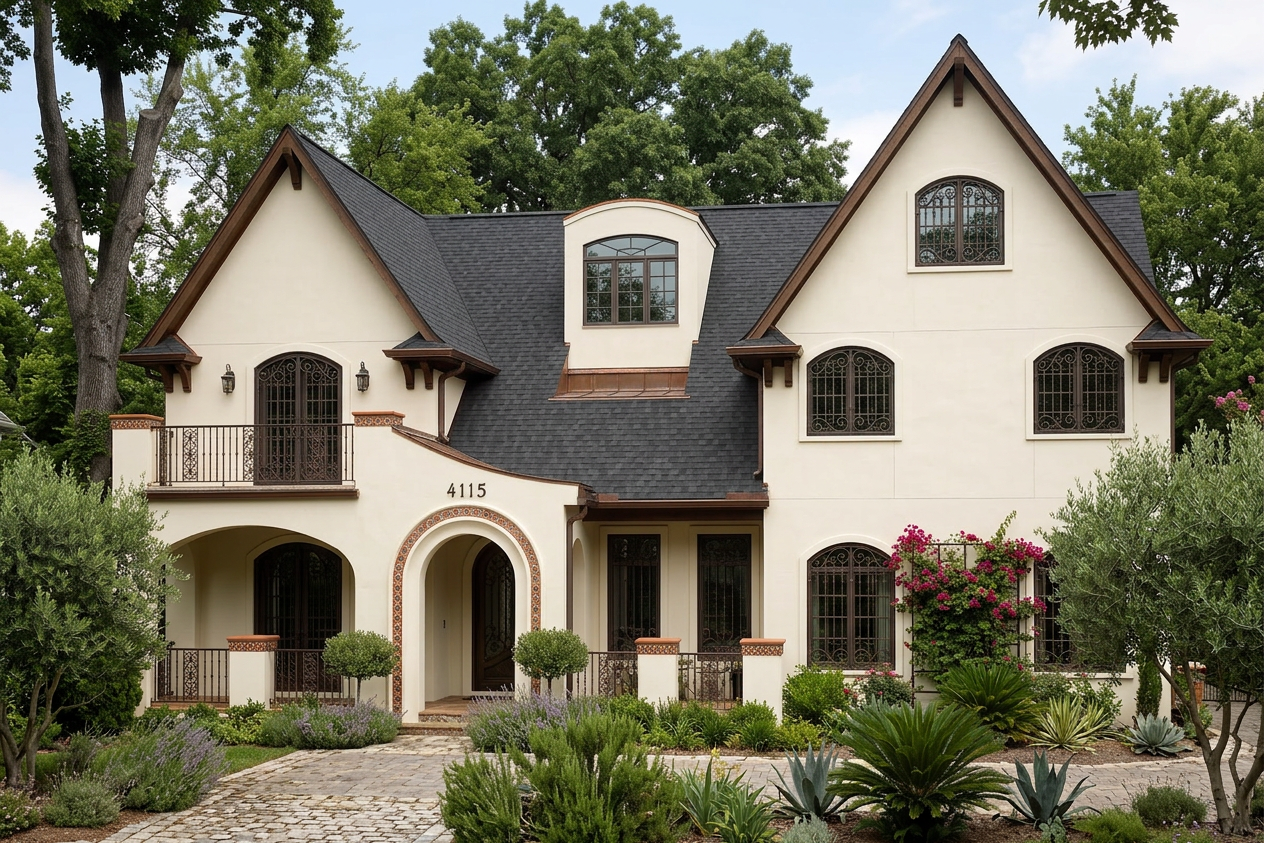
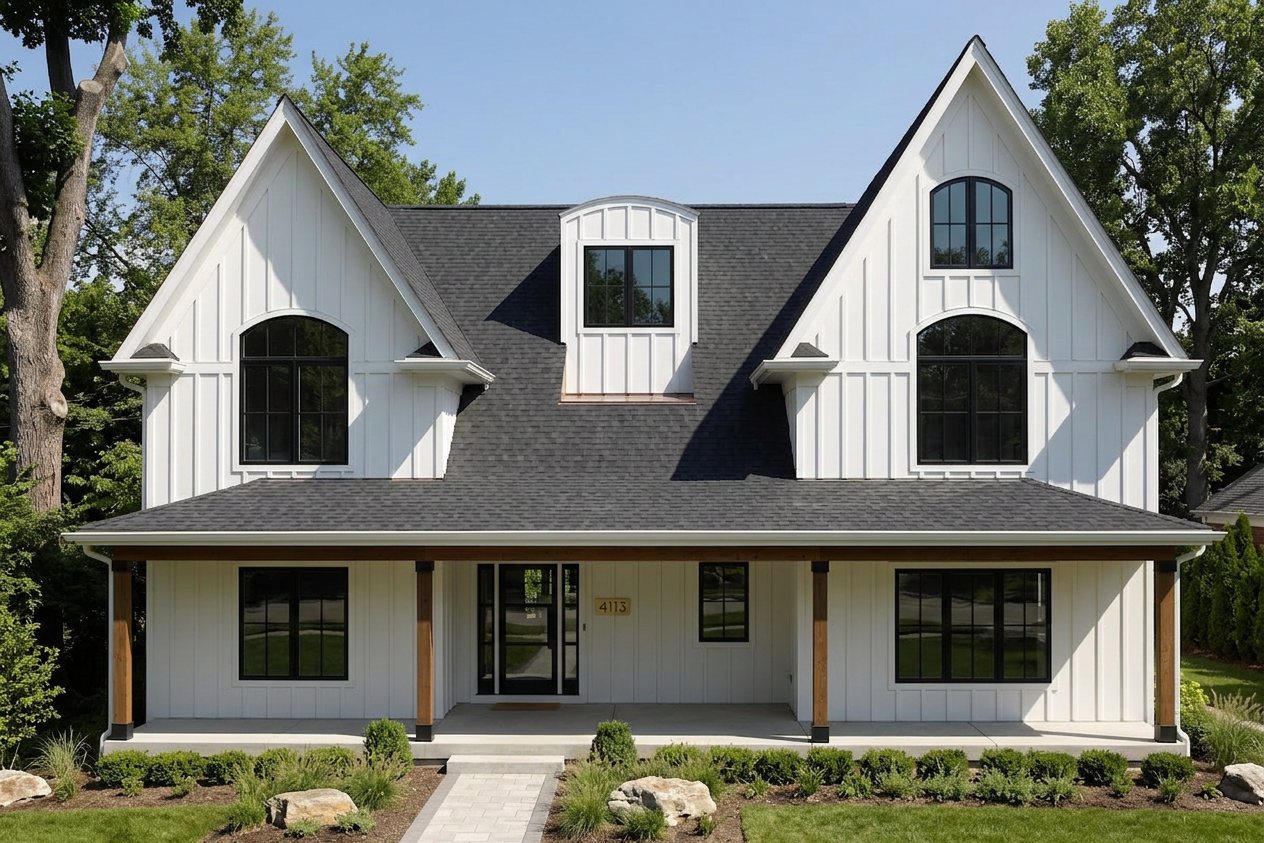
Upload a phone photo of your house and pre-load this exact brick red-and-black pairing in the visualizer. Swap to any of the recommended shingles below in one tap. No signup, no email.
Heat absorption matters in Florida.
A black asphalt roof can raise attic temperatures by 5 to 10 degrees Fahrenheit at peak summer compared to a light-gray or white roof. Proper soffit-to-ridge attic ventilation and a modern radiant barrier under the decking reduce the actual cooling-load impact to less than 20 dollars per month in most Florida homes.
Trim color does the heavy lifting.
Black-and-brick red is a neutral foundation. The personality of the house comes from window trim, door color, gutters, and landscape. Pick the roof first, then commit a real budget to picking trim and door colors that complement the specific shade of brick red you choose.
Black roofs show every install flaw.
The high contrast that makes this combination striking also makes every roof inconsistency more visible. Insist on a Master Elite or equivalent certified contractor and a thorough roof inspection so lifted shingles, uneven ridge lines, or color batch variance do not become a permanent eyesore.
Cool-white trim under a black roof
Stark, cool-toned whites (Sherwin-Williams Extra White, Benjamin Moore Chantilly Lace) fight the slight blue undertone of most black asphalt blends and read as institutional. Use slightly warm whites (Simply White, Alabaster, Pure White) instead -- they pair with the granule warmth and feel residential rather than commercial.
Skipping attic ventilation
A black roof on a poorly-vented attic in Florida can run 20 to 30 degrees hotter at peak summer than the same roof with proper soffit-to-ridge ventilation. The aesthetic is worth the trade-off only if you also invest in ventilation and ideally a radiant barrier. Ask your contractor for a written ventilation calculation.
Choosing an economy-tier black shingle
Cheap black asphalt (single-color granules, no dimensional shadow line) goes flat and chalky in 8-10 years of Florida sun. Premium-tier black SKUs (Timberline HDZ, Duration, Landmark Pro) use layered granule blends and ceramic coatings that hold tone for 25 plus years. The cost difference is roughly 30 to 40 dollars per square, which is invisible over a 30-year window.
The questions homeowners ask before they commit. Answered without sales spin.
A black roof visually anchors the house and can make it appear slightly smaller from a distance because the dark roofline 'caps' the structure. Up close, the high contrast actually emphasizes architectural details and makes the brick red siding feel cleaner. Net effect: more refined, not smaller.
Modern asphalt shingles use ceramic-coated granules engineered to hold color for 25 plus years. Expect a subtle shift toward a slightly warmer dark gray over the first 5 years, then stability. Premium SKUs like GAF Timberline HDZ and Owens Corning Duration carry 25 to 50 year warranties against premature fading. Source: NRCA Asphalt Shingle Manual.
Slightly warm whites pair best as trim and accents (Benjamin Moore Simply White, Sherwin-Williams Alabaster, Sherwin-Williams Pure White). Stark cool whites can feel sterile against the black roof. Test a quart on a south-facing exterior wall before committing.
Asphalt is cheaper (roughly 14,000 to 22,000 dollars installed in Florida), softer-looking, and easier to repair. Standing-seam metal costs 1.8 to 2.5 times more but reflects more heat, lasts 50 plus years, and gives the modern farmhouse look its sharpest expression. Most Florida homeowners choose asphalt for budget; modern builds choose metal.
Not because of the color. Insurance cares about wind rating, hail rating, and the age of the roof. All five of the recommended SKUs on this page are 130 mph wind and Class A fire. Some Florida insurers offer a small discount for impact-rated (Class 3 or 4) variants, which are available across most of these brands. Source: NRCA Florida wind/hail guidance.